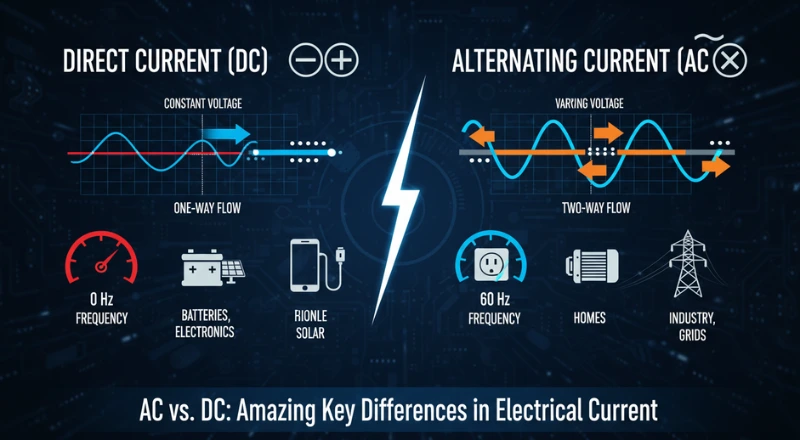
Electricity powers our modern world, from the tiniest smart devices to the sprawling industrial complexes that form the backbone of our economy. Yet, despite its omnipresence, few people stop to consider the fundamental forms this invisible force takes. At the heart of most electrical systems lie two distinct types of current: alternating current (AC) and direct current (DC). While both transmit electrical power, they do so in fundamentally different ways. With profound implications for how electricity is generated, transmitted, and utilised.
Understanding the distinction between AC and DC is not merely an academic exercise for electrical engineers; it is crucial for comprehending the efficiency of our power grids, the functionality of our electronic devices, and even the safety protocols surrounding electrical systems. This comprehensive guide delves into the core differences between AC and DC, exploring their unique characteristics. How they behave, where they are applied, and why these distinctions matter in the grand scheme of electrical engineering and everyday life.
- AC vs DC: The Core Difference
- Direction of Flow
- Transmission Efficiency
- The AC Advantage: The Transformer
- The Historical DC Challenge
- The Rise of HVDC (High-Voltage Direct Current)
- Common Applications
- Key Characteristics
- Voltage Transformation
- Generation
- Safety Considerations
- Inductance and Capacitance
- Motors
- Energy Storage
AC vs DC: The Core Difference
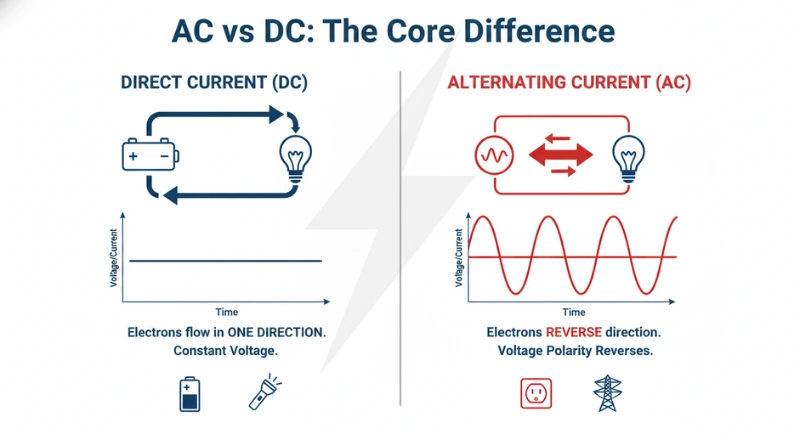
At its most fundamental level, the distinction between AC and DC electrical current boils down to one critical characteristic: the direction of electron flow. Imagine a river. If the water flows steadily in one direction, that’s analogous to direct current. If the river’s flow periodically reverses direction, surging back and forth, that would be alternating current.
Direct Current (DC) is characterised by the flow of electrical charge (electrons) in one constant direction. The voltage in a DC circuit remains constant over time, creating a steady, unwavering flow. Think of a battery, which has a positive and a negative terminal; electrons consistently move from the negative terminal, through the circuit, to the positive terminal. This consistent flow maintains a fixed polarity.
Alternating Current (AC) involves electrical charge that periodically reverses direction.
In an AC circuit, voltage is not constant but changes regularly in magnitude and direction, causing the polarity to flip.
The current follows a cyclical behavior, starting at zero, reaching a peak in one direction, returning to zero, reaching a peak in the opposite direction, and completing the cycle at zero.
This cycle typically follows a sinusoidal or sine wave pattern.
This inherent difference in the direction of flow is the bedrock upon which all other distinctions are based. AC and DC are built, impacting everything from how electricity is generated and transmitted to its most suitable applications.
Direction of Flow
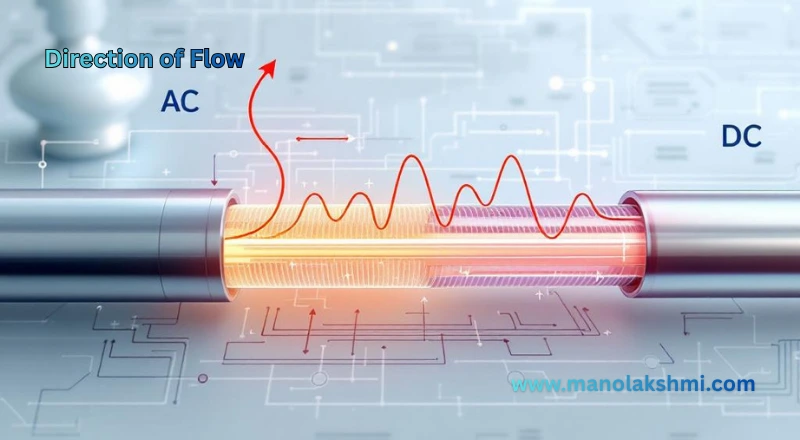
To truly grasp the essence of AC and DC, it’s vital to elaborate on the concept of their directional flow and how it manifests in practical electrical systems.
Direct Current (DC): A Steady, Unidirectional Path
As established, in a DC circuit, electrons move from an area of higher potential (the negative terminal) to an area of lower potential (the positive terminal) without changing their course. This creates a uniform and steady stream of electricity.
- Fixed Polarity: DC sources maintain a consistent positive and negative terminal. This fixed polarity is crucial for many electronic components, which are designed to operate with current flowing in a specific direction. Reversing the polarity can often damage these devices.
- Constant Voltage: The voltage supplied by a DC source typically remains constant over time, assuming the load doesn’t change drastically and the source itself is stable. For instance, a 1.5-volt AA battery consistently provides 1.5 volts until its chemical energy depletes.
- Sources of DC: The most common sources of DC are batteries (which convert chemical energy into electrical energy), solar cells (photovoltaic cells that convert light energy into electrical energy), and fuel cells. Electronic devices use AC-to-DC converters (rectifiers) to power their internal DC circuits from wall outlets.
- Visual Representation: If you were to plot DC voltage or current against time on a graph, it would appear as a straight, horizontal line, either above or below the zero axis, depending on the chosen reference point.
The simplicity and predictability of DC’s unidirectional flow make it ideal for applications. Where a consistent, stable power supply is required, particularly in small, portable devices and sensitive electronics.
Alternating Current (AC): A Rhythmic Back-and-Forth Motion
In an AC circuit, the electrons don’t just flow; they oscillate. They move a tiny distance in one direction, then reverse and move a tiny distance in the opposite direction. What effectively travels through the wire is the energy, not necessarily the electrons themselves moving from one end to the other.
- Periodically Changing Polarity: Unlike DC, the polarity of an AC source continuously switches. For instance, in a standard electrical outlet, the “live” and “neutral” wires swap their roles relative to each other many times per second.
- Varying Voltage: The voltage in an AC circuit continuously rises from zero to a peak, falls back to zero, then descends to a negative peak, and finally returns to zero. This complete sequence is known as a cycle.
- Frequency: The rate at which the current changes direction and completes a cycle is called its frequency, measured in Hertz (Hz). ‘One hertz’ refers to one cycle occurring per second. Most power grids operate at either 50 Hz (common in Europe, Asia, and Africa) or 60 Hz (common in North America). This means the current effectively reverses direction 100 or 120 times per second, respectively.
- Sources of AC: AC is predominantly generated by alternators in power plants. These generators use rotational motion to create a changing magnetic field, which in turn induces an alternating electromotive force (voltage) and thus alternating current.
- Visual Representation: On a graph of voltage or current against time, AC appears as a smooth, continuous wave, typically a sine wave, oscillating above and below the zero axis.
The alternating nature of AC, particularly its ability to induce magnetic fields that change with time, is what gives it a distinct advantage in large-scale power distribution, as we will explore in the next section.
Transmission Efficiency
When it comes to delivering massive amounts of electrical power over vast distances, AC power has historically reigned supreme. This dominance is primarily due to its inherent advantage in voltage transformation, which directly impacts transmission efficiency.
The Challenge of Power Transmission
- Electrical energy transmission is inherently lossy.
- Energy is lost as heat when electricity flows through power lines due to the electrical resistance of the wires.
- This energy loss is directly proportional to the square of the current and the wire’s resistance, a phenomenon known as I²R loss.
- Minimising these losses requires transmitting power at the lowest possible current.
- To maintain the same amount of power while lowering the current, electricity must be transmitted. At the highest possible voltage, as Power = Voltage × Current.
The AC Advantage: The Transformer
The key to AC’s efficiency in long-distance transmission is a simple, highly efficient device: the transformer.
- How Transformers Work: Transformers operate on the principle of electromagnetic induction. An alternating current flowing through a coil creates a continually changing magnetic field. If a second coil is placed within this changing magnetic field. An alternating voltage is induced in the second coil. The ratio of the number of turns in the primary coil to the secondary coil determines. Whether the voltage is “stepped up” (increased) or “stepped down” (decreased).
- Minimising Transmission Losses: At power generation plants, AC voltage is stepped up to extremely high levels (hundreds of thousands of volts) using transformers. This dramatically reduces the current for a given power level, thereby minimising I²R losses during its journey through miles of transmission lines.
- Safe and Usable Voltage at Destination: Before electricity enters homes and businesses, substation transformers step down the high transmission voltage to safer, usable levels (e.g., 240V/120V). This entire process of stepping up and stepping down voltage is incredibly efficient (often over 99% efficient in modern transformers) and can only. Be performed with alternating current because a constant (DC) magnetic field would not induce a current in the secondary coil.
Without the ability of transformers to easily alter voltage, the global power grid as we know it would be impractical. Attempting to transmit high current at low voltage over long distances would result. Incur colossal energy waste and require prohibitively thick and expensive transmission cables.
The Historical DC Challenge
In the early days of electricity, DC power faced significant hurdles for long-distance transmission. Changing DC voltage required bulky, inefficient, and mechanically complex devices like motor-generator sets, which converted DC to AC, transformed the AC, and then converted it back to DC.
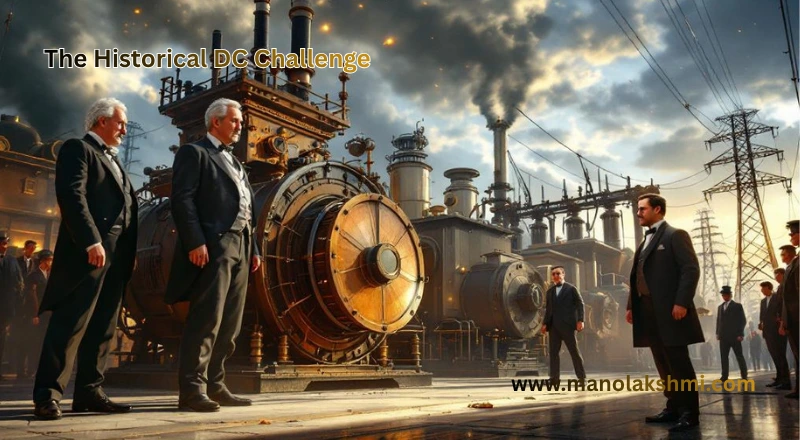
This process was lossy and costly, making DC unsuitable for widespread grid distribution. This historical limitation was a major factor in AC winning the famous “War of Currents” between Thomas Edison (championing DC) and Nikola Tesla/George Westinghouse (advocating AC).
The Rise of HVDC (High-Voltage Direct Current)
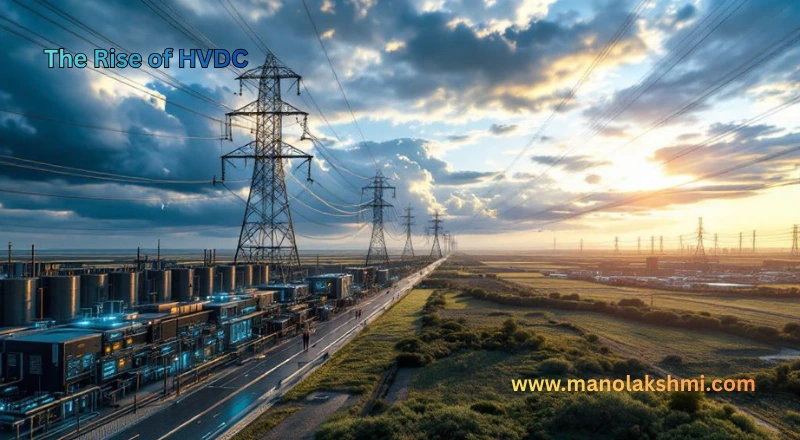
While AC remains the backbone of most power grids, advancements in power electronics. In recent decades have led to the development of high-voltage direct current (HVDC) transmission. Modern HVDC systems use sophisticated electronic converters (rectifiers and inverters) to convert AC power from generating stations into DC for transmission and then back into AC at the receiving end.
HVDC offers several advantages for specific applications:
Extremely Long Distances: For very long distances (typically over 600 kilometres or 370 miles), HVDC can be more efficient than AC, as it avoids certain AC-specific losses (like reactive power losses and skin effect).
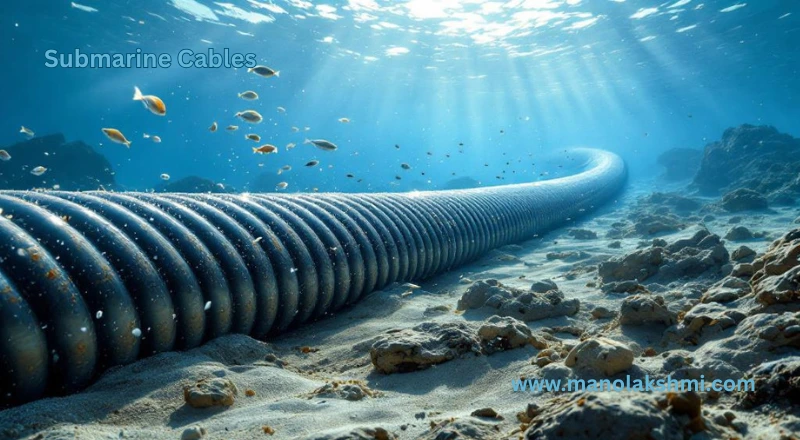
Submarine Cables: HVDC is ideal for transmitting power through underwater cables. Where the capacitance of AC cables would lead to significant losses.
Connecting Asynchronous Grids: HVDC can connect two AC grids that operate at different frequencies or are not synchronised.
Stability: HVDC links can enhance the stability of power grids.
Despite these advantages, HVDC requires complex and expensive converter stations at both ends. Which means AC systems remain the more cost-effective and practical solution for most regional and local power distribution networks. Therefore, while modern technology has found specialised niches for DC transmission. AC’s ease of voltage transformation via simple transformers still makes it. The dominant choice for the vast majority of our electrical grid infrastructure.
Common Applications
AC and DC power are not in competition in all scenarios; rather, they often complement each other. With each type of current being uniquely suited to specific applications. Understanding where each is typically found highlights its intrinsic characteristics and advantages.
Direct Current (DC) Applications:
DC power is the lifeblood of most electronic devices and low-voltage systems. Its steady, predictable flow is essential for sensitive circuitry.
Batteries and Portable Devices: Almost all battery-powered devices, from smartphones and laptops to flashlights and electric vehicles, run on DC. Batteries, by their very nature, produce and store direct current.
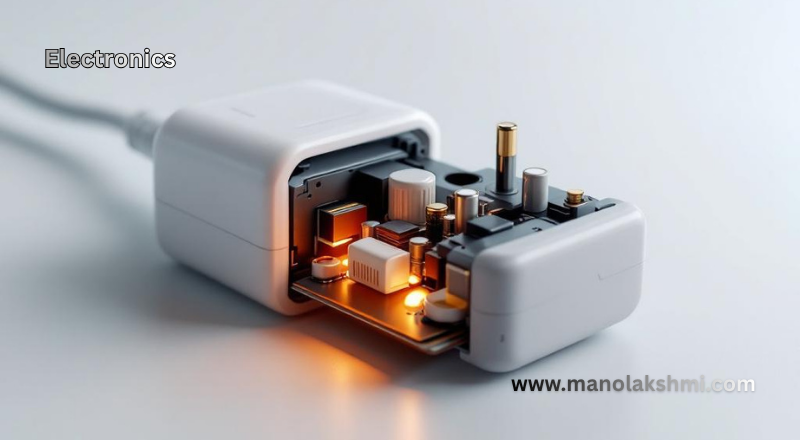
Electronics: The internal circuits of virtually all electronic devices – computers, televisions, radios, LED lights, and microchips – operate on DC. When you plug a device into a wall outlet (which provides AC). Its power adapter. or internal power supply unit first converts the AC to the required DC voltage using a rectifier circuit.
Solar Power Systems: Solar panels (photovoltaic cells) generate DC power directly from sunlight. For grid-tied systems or for powering AC appliances, this DC must be converted to AC using an inverter.
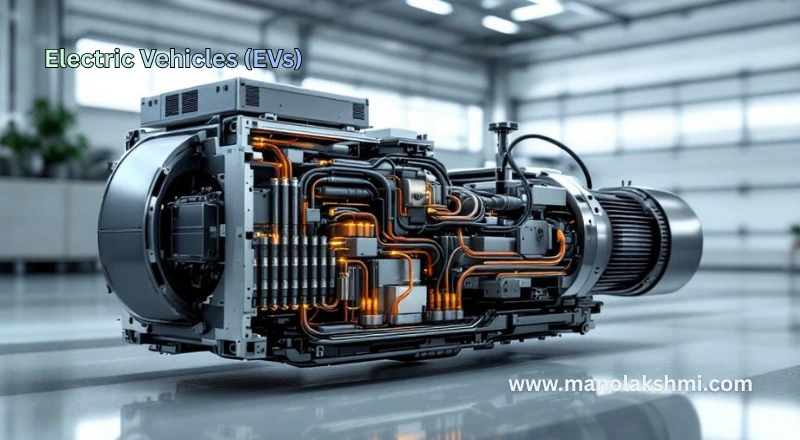
Electric Vehicles (EVs): The large battery packs in electric vehicles store DC power. While many modern EV motors are AC induction motors, the DC from the battery is converted to variable-frequency AC by an inverter to drive the motors.

Data Centres: Increasingly, data centres are exploring and implementing DC power distribution within their facilities. This eliminates one stage of AC-to-DC conversion for servers (which internally run on DC), potentially improving efficiency and reliability.
Electroplating and Electrolysis: Industrial processes like electroplating (coating one metal with another) and electrolysis (chemical decomposition using electricity) rely exclusively on the unidirectional flow of DC.
Alternating Current (AC) Applications:

AC power is the dominant form for power generation, transmission, and distribution, making it the standard for homes, businesses, and industrial machinery.
Homes and Businesses: The electrical outlets in your walls almost universally supply AC power. This is the power that lights your rooms, runs your large appliances, and powers your entertainment systems (though most of these devices convert it to DC internally for their sensitive electronics).
Power Grids: The entire global electrical grid, from power plants to the final consumer, is predominantly an AC system. Generators produce AC, transformers enable its efficient transmission, and the grid distributes it to load centres.
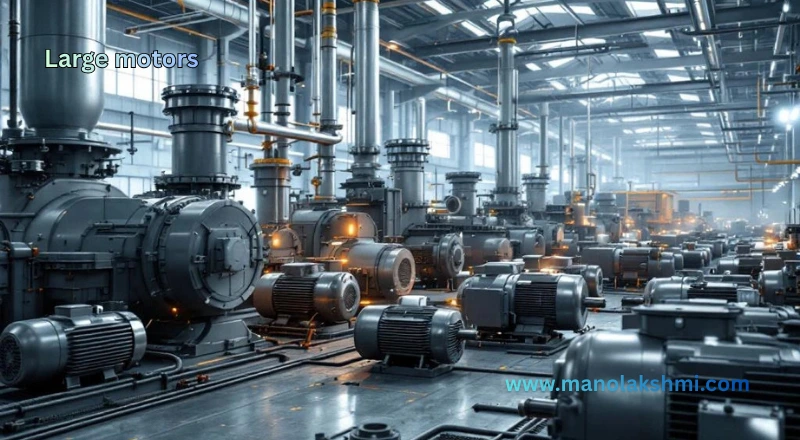
Large Motors: Many large industrial motors (e.g., in factories, HVAC systems, refrigerators, and washing machines) are designed to run on AC. AC induction motors are robust, relatively simple, and efficient for many applications, especially those requiring constant speed.
Lighting (Traditional): While modern LED lighting primarily uses DC internally, traditional incandescent bulbs, fluorescent tubes, and many discharge lamps are designed to operate directly on AC.
High-Power Industrial Equipment: Many manufacturing processes, heavy machinery, and large heating elements are powered directly by AC from the grid.
The omnipresence of AC in our infrastructure and DC in our devices means that conversion between the two forms is a constant process. Rectifiers convert AC to DC, and inverters convert DC to AC, facilitating this symbiotic relationship.
Key Characteristics
Beyond the fundamental difference in current direction and their respective applications. AC and DC possess several other distinct characteristics that are important for electrical design, safety, and performance.
Voltage Transformation
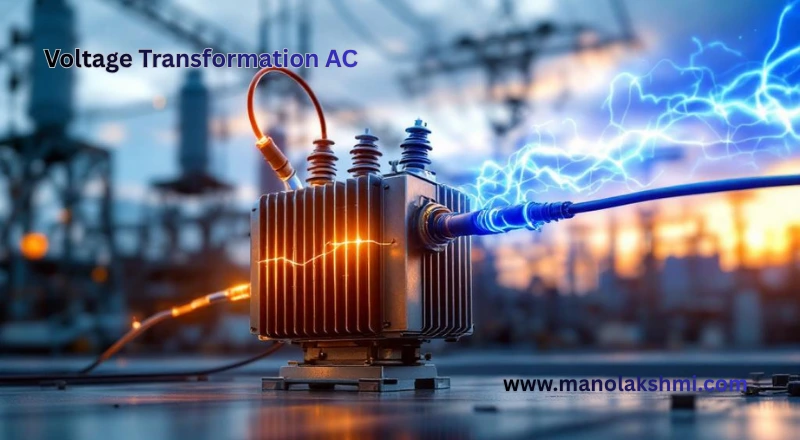
AC: The ability to easily step up and step down voltage using transformers is AC’s most significant advantage. This characteristic is so profound that it largely dictated the global adoption of AC for power distribution. Transformers are passive devices, highly efficient, and relatively simple, making AC voltage manipulation straightforward and cost-effective.
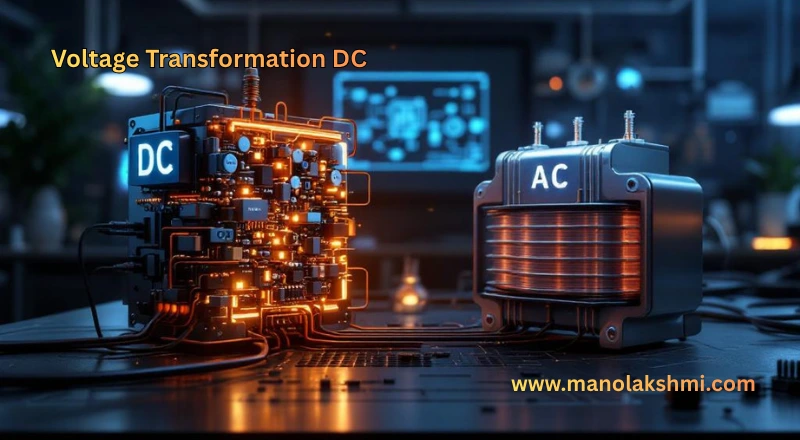
DC: Traditionally, stepping up or stepping down DC voltage was far more complex and inefficient. It required active electronic components or mechanical converters. Modern power electronics (DC-DC converters, buck/boost converters) can efficiently change DC voltage. But these are more complex and typically less efficient than simple AC transformers for very large-scale power transformation.
Generation
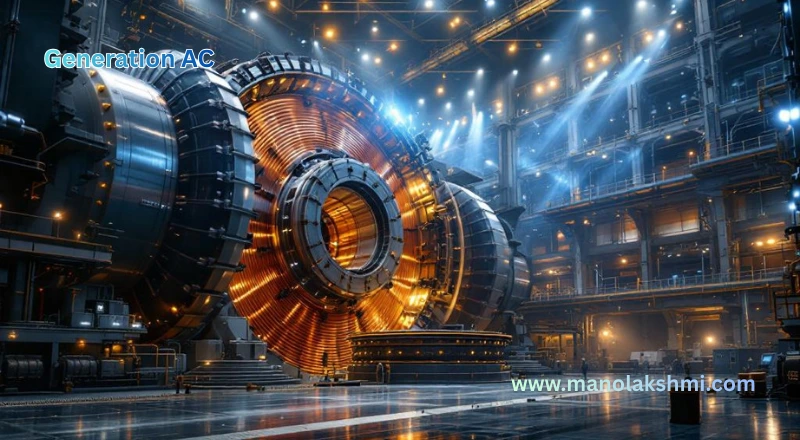
AC: AC power is naturally generated by rotating generators (alternators) in power plants. The rotation of a magnetic field within a coil of wire (or vice versa) inherently produces. An alternating voltage as the magnetic flux through the coil changes direction sinusoidally. This is the most efficient way to generate large quantities of electrical power.
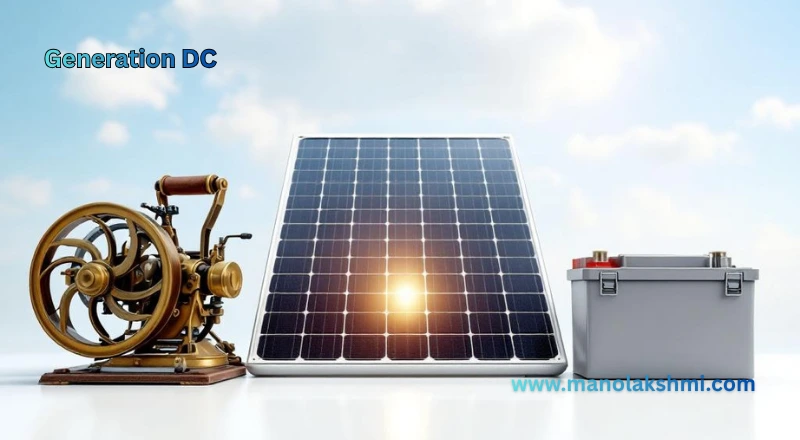
DC: DC power is primarily generated by devices that produce a steady chemical or photovoltaic reaction, such as batteries and solar cells. While DC generators (dynamos) exist, they are less common for large-scale power production. Due to mechanical complexities and lower efficiency compared to alternators for high power outputs.
Safety Considerations
Safety is paramount in electrical systems, and both AC and DC can be lethal at sufficiently high voltages and currents. However, they present different hazards:
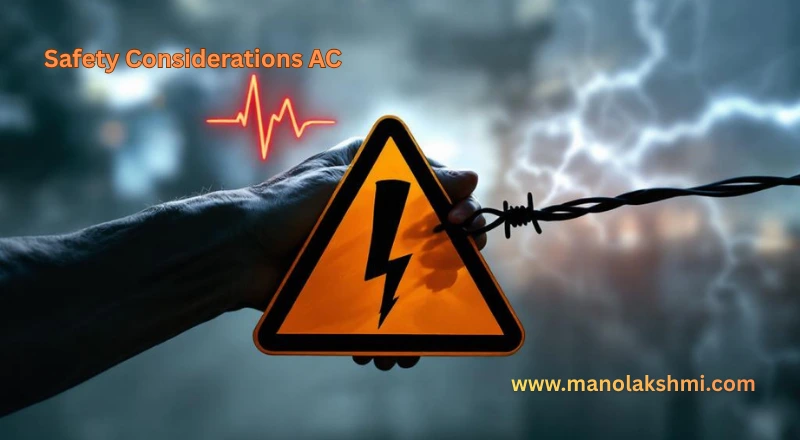
AC: Exposure to AC can cause muscles to contract rhythmically, potentially “freezing” a person to the conductor, making it difficult to let go. The alternating nature can also induce ventricular fibrillation in the heart at lower current levels compared to DC.
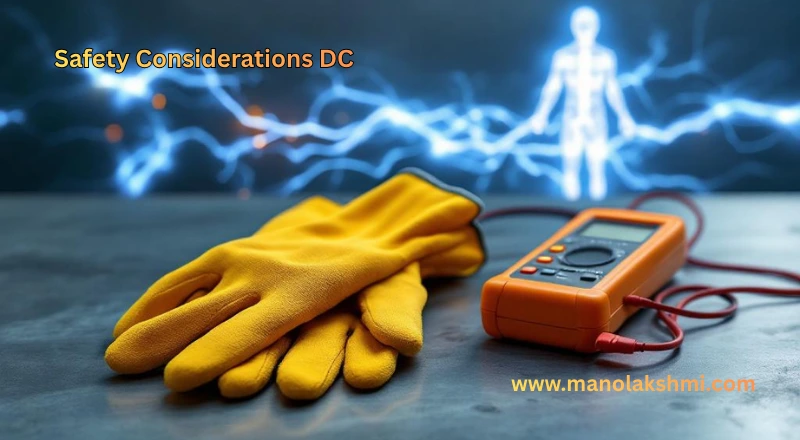
DC: Exposure to DC can cause a sustained muscular contraction (tetany), potentially leading to severe burns and damage. While DC often requires a higher voltage to initiate fibrillation than AC, a sustained DC shock can be equally or more dangerous. The specific physiological effects are complex and depend on voltage, current, frequency (for AC), duration, and the path of the current through the body. Generally, both demand extreme caution.
Inductance and Capacitance
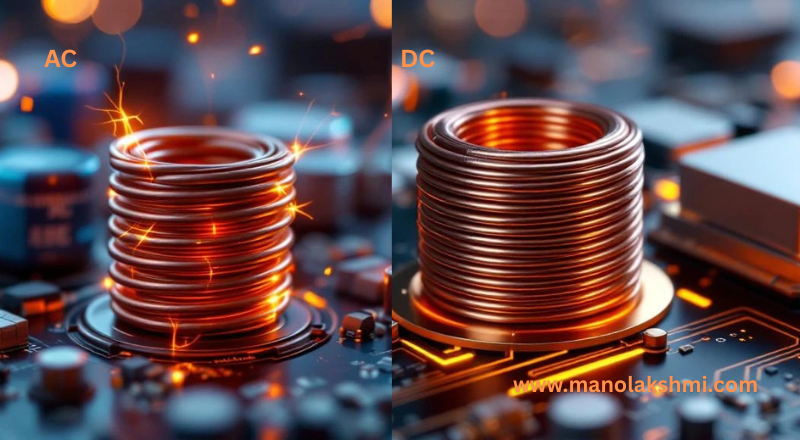
AC: Because AC voltage and current are constantly changing, AC circuits interact dynamically with inductance and capacitance. Inductors (coils) oppose changes in current, and capacitors (devices that store charge) oppose changes in voltage. These effects, known as reactive impedance, cause phase shifts between voltage and current and can lead to reactive power. Which does no useful work but contributes to losses in AC systems.
DC: In steady-state DC circuits, inductors act like short circuits (after initial transient effects), and capacitors act like open circuits (after charging). There are no reactive impedance effects in steady DC, simplifying circuit analysis and design for constant loads.
Motors
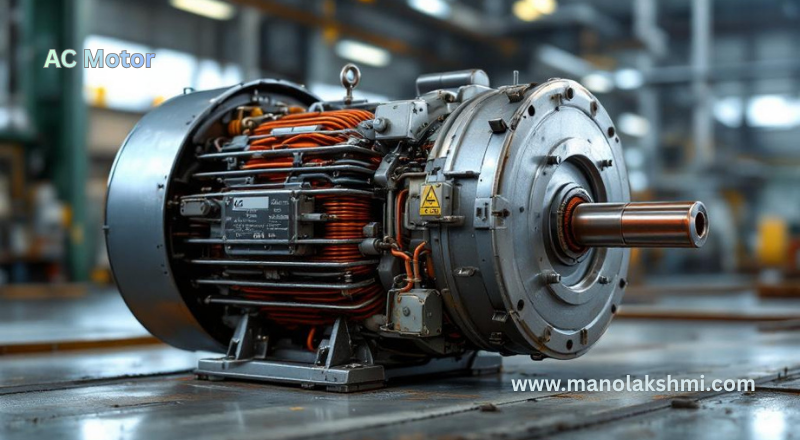
AC Motors: AC motors, particularly induction motors, are known for their robustness, simplicity, and efficiency in many industrial applications. They are widely used for constant-speed applications and can be highly reliable with minimal maintenance due to the absence of brushes (in induction types).
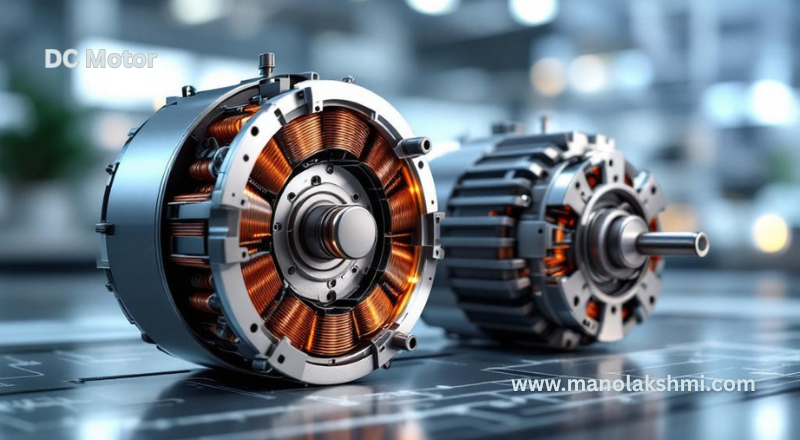
DC Motors: DC motors, including brushed and brushless types, are excellent for applications requiring precise speed control, high starting torque, and variable speed operation. Brushless DC (BLDC) motors, controlled by electronic commutators, are highly efficient and common in electric vehicles, drones, and computer fans.
Energy Storage
- DC: Energy storage is inherently a DC affair. Batteries store energy chemically, which is released as DC. Capacitors store energy electrostatically and discharge as DC. For grid-scale energy storage, where the primary grid is AC, inverters are required to convert the stored DC energy back into AC for grid use.
The contrasting characteristics of AC and DC underscore their distinct roles in the electrical ecosystem. AC’s ease of voltage transformation, born from its alternating nature, makes it ideal for the macro-level task of power delivery. DC’s steady, predictable flow, on the other hand, makes it indispensable for the micro-level task of powering sensitive and portable electronic devices.
Conclusion
The journey through the world of Alternating Current and Direct Current reveals. Two fundamental forms of electricity, each with its unique properties and indispensable roles. AC (Alternating Current) changes direction periodically, an attribute that allows it to be efficiently transformed. To very high voltages for long-distance transmission using passive transformers, minimizing energy loss across vast networks. This characteristic cemented AC’s position as the backbone of our global power grids, from large-scale generation to distribution to homes and businesses.
Conversely, DC (Direct Current) flows in one direction consistently. This steady, unidirectional flow makes DC ideal for operating. The internal circuitry of most electronic devices, powering batteries, and harnessing renewable energy sources like solar panels. DC is often used in electronics precisely because sensitive components require a stable, unchanging voltage and current.
Neither AC nor DC is inherently “better”; rather, they are optimized for different purposes and often work in tandem. The prevalence of AC in our outlets is balanced by the ubiquitous presence of AC-to-DC converters (rectifiers) that adapt the grid power for our computers, phones, and every other device that internally relies on DC. The development of High-Voltage Direct Current (HVDC) systems. Further blurs the lines, demonstrating that while AC continues to be the primary standard for power grids, specialized DC applications are growing, especially for very long-distance transmission and critical infrastructure.
Understanding the core differences between alternating current and direct current. Their direction of flow, methods of generation, ease of voltage transformation, and their distinct applications. Is fundamental to comprehending the intricate and sophisticated electrical engineering that powers our modern world. It is a testament to the ingenuity that harnessed the invisible flow of electrons. To create the interconnected, electrified society we inhabit today.
Please Support my page: Meters: Analog vs Digital Amazing Informed Decisions

Elevate your lifestyle with our curated content on technology, sports, travel, health, and fashion. Stay ahead of the trends and make informed choices.