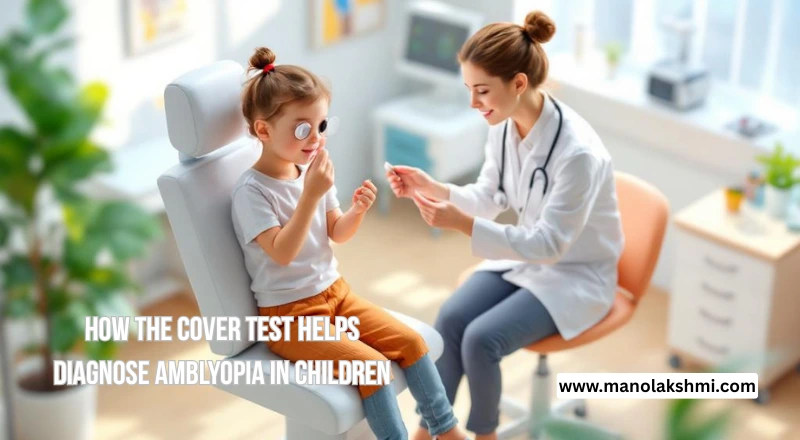
- How the Cover Test Helps Diagnose Amblyopia in Children
- Understanding Amblyopia: Definition and Importance
- The Role of Vision in Child Development
- Overview of the Cover Test
- How the Cover Test is Administered
- Interpreting Cover Test Results
- Link Between Cover Test Outcomes and Amblyopia Diagnosis
- Additional Diagnostic Tools for Amblyopia
- Treatment Options Following Amblyopia Diagnosis
How the Cover Test Helps Diagnose Amblyopia in Children
Amblyopia, or “lazy eye”, is a common childhood visual impairment with potential lifelong impacts if not addressed early. The cover test is a vital clinical tool for diagnosing this condition by assessing eye coordination. This article examines the cover test’s role in diagnosing amblyopia, covering its administration, results, and treatment impacts. Understanding this tool for early intervention helps carers and professionals improve children’s visual development and well-being.
Understanding Amblyopia: Definition and Importance
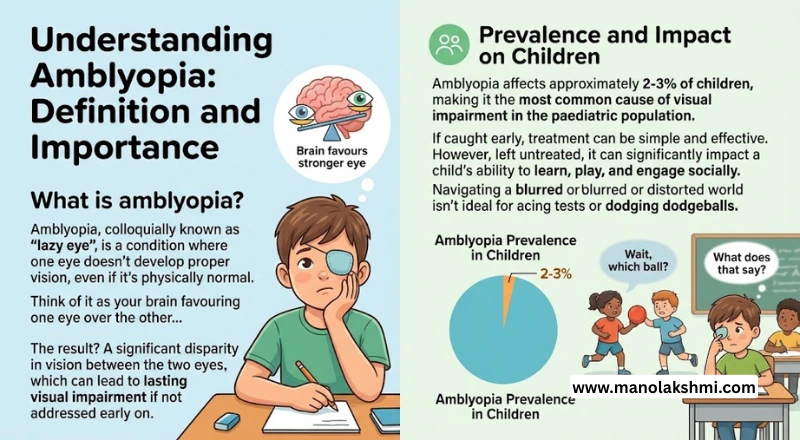
What is amblyopia?
Amblyopia, colloquially known as “lazy eye”, is a condition. Where one eye doesn’t develop proper vision, even if it’s physically normal. Think of it as your brain favouring one eye over the other, like choosing your favourite child (though every parent knows that’s a slippery slope!). The result? A significant disparity in vision between the two eyes. Which can lead to lasting visual impairment if not addressed early on.
Prevalence and Impact on Children
Amblyopia affects approximately 2-3% of children, making it the most common cause of visual impairment in the paediatric population. If caught early, treatment can be simple and effective. However, left untreated, it can significantly impact a child’s ability to learn, play, and engage socially. Navigating a blurred or distorted world isn’t ideal for acing crushes or dodging dodgeballs.
The Role of Vision in Child Development
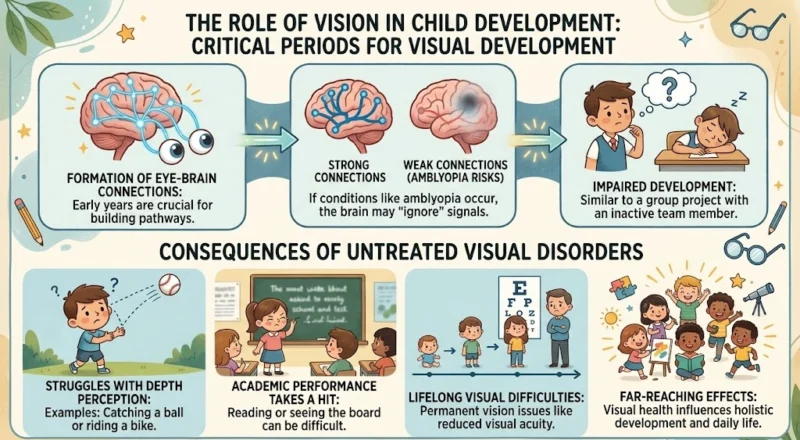
Critical Periods for Visual Development
Vision is a key player in child development, especially in the early years. The first few years of life are crucial for visual development, when the eyes and brain are busy forming connections. If amblyopia kicks in during this period, the brain may “ignore” signals from the weaker eye, which can be as problematic as trying to finish a group project with a team member who’s never around.
Consequences of Untreated Visual Disorders
Untreated amblyopia can lead to lifelong visual difficulties. Children with untreated amblyopia might struggle with depth perception, which is not ideal when trying to catch a ball or ride a bike. Academic performance may also take a hit, as poor vision can make reading or seeing a chalkboard feel like a game of visual hide-and-seek. In a nutshell, overlooking visual issues in children can have far-reaching effects on their development and daily life.
Overview of the Cover Test
What is the Cover Test?
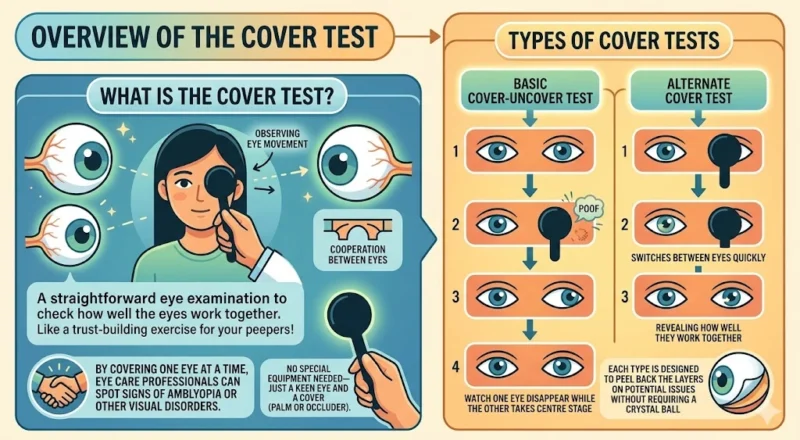
The cover test is a straightforward yet highly effective eye examination used to check how well the eyes work together. It’s like a trust-building exercise for your peepers! By covering one eye at a time and observing how the other eye moves, eye care professionals can spot signs of amblyopia or other visual disorders. No special equipment is needed—just a keen eye and a cover (palm or occluder, to be precise).
Types of Cover Tests
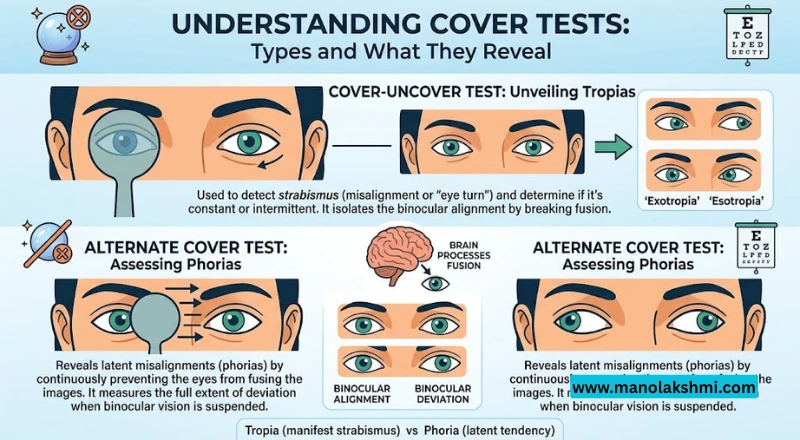
There are a couple of variations of the cover test, each revealing different aspects of eye function. The basic cover-uncover test is like a magic show—watch one eye disappear while the other takes centre stage. Then there’s the alternate cover test, which switches between eyes quickly, revealing how well they work together. Each type is designed to peel back the layers on potential issues without requiring a crystal ball.
How the Cover Test is Administered
Step-by-Step Procedure
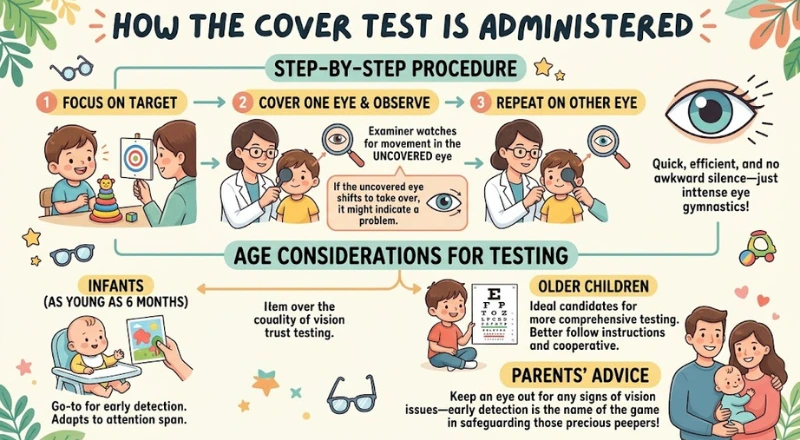
Administering the cover test is as simple as pie (or at least easier than baking one). First, the child focuses on a nearby target (like a colourful picture or toy). The examiner then covers one eye, watching for any movement in the other eye. If the uncovered eye shifts to take over, it might indicate a problem. Then, the process is repeated with the other eye. Quick, efficient, and no awkward silence—just a few moments of intense eye gymnastics!
Age Considerations for Testing
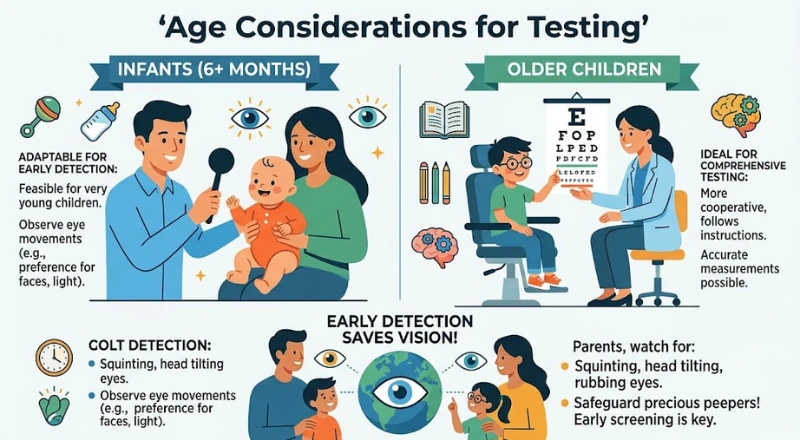
The cover test is adaptable and can be performed on children as young as 6 months, making it a go-to for early detection. However, older kids are often more cooperative and can better follow instructions, meaning they’re ideal candidates for more comprehensive testing. Parents should keep an eye out (pun intended!) for any signs of vision issues—early detection is the name of the game in safeguarding those precious peepers!
Interpreting Cover Test Results
Normal vs. Abnormal Responses
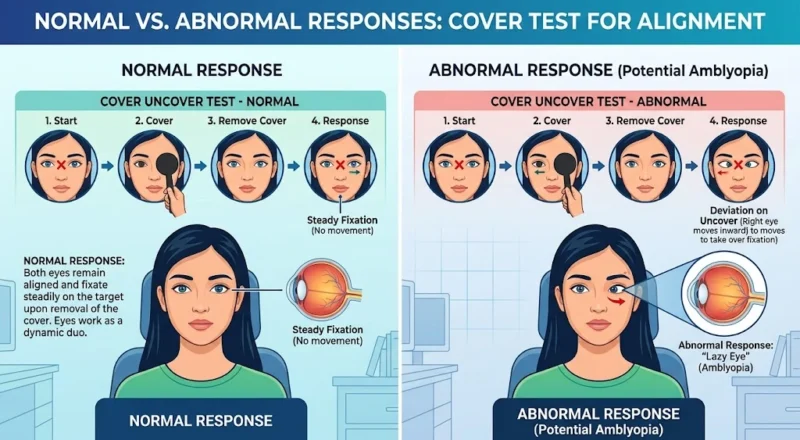
When performing a cover test, we’re essentially asking, “Are both eyes working together like a dynamic duo, or is one trying to go solo?” A normal response is when both eyes maintain steady fixation on a target when the cover is removed. If the uncovered eye moves to take over the focus, we may be looking at an abnormal response, hinting at potential amblyopia—or, as I like to call it, “the lazy eye syndrome”.
Common Patterns of Eye Movement
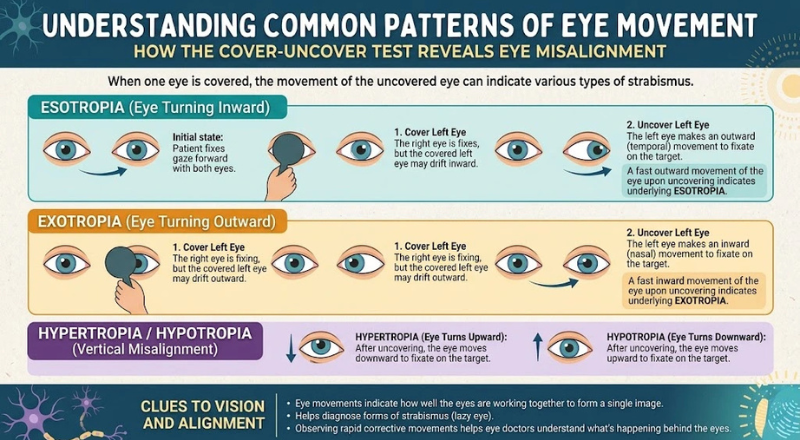
Eye movements can be revealing! If one eye drifts away from the target when the other is covered, it might indicate that eye isn’t pulling its weight. For instance, esotropia (that’s fancy talk for one eye turning inward) can show up when the uncovered eye makes a swift move to compensate for the lazy friend. Similarly, if the outer eye attempts to take over, we might have exotropia on our hands. These eye dances can give a lot of clues about what’s happening behind those innocent-looking windows to the soul.
Link Between Cover Test Outcomes and Amblyopia Diagnosis
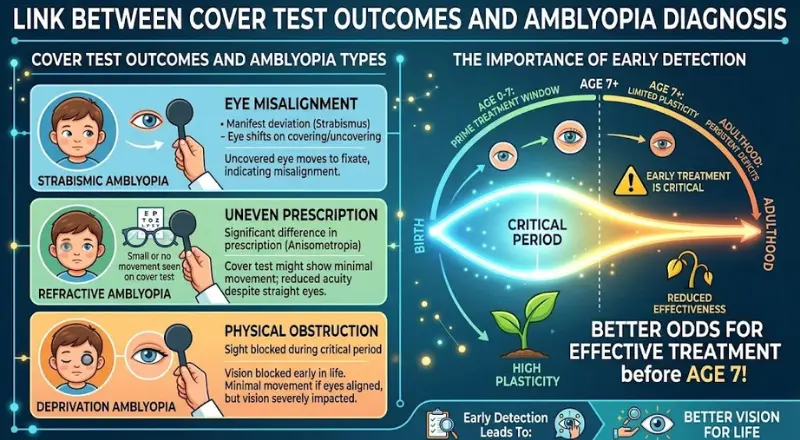
Types of Amblyopia Identified by the Test
The cover test isn’t just a party trick; it can help uncover which flavour of amblyopia is in the mix. There are three main types: strabismic (think crossed eyes!), refractive (where vision differences between the eyes do a sneaky number), and deprivation (when something physical is blocking sight in one eye). Each type has its own nuances that the cover test can help illuminate, making it a crucial step in the diagnostic process.
The Importance of Early Detection
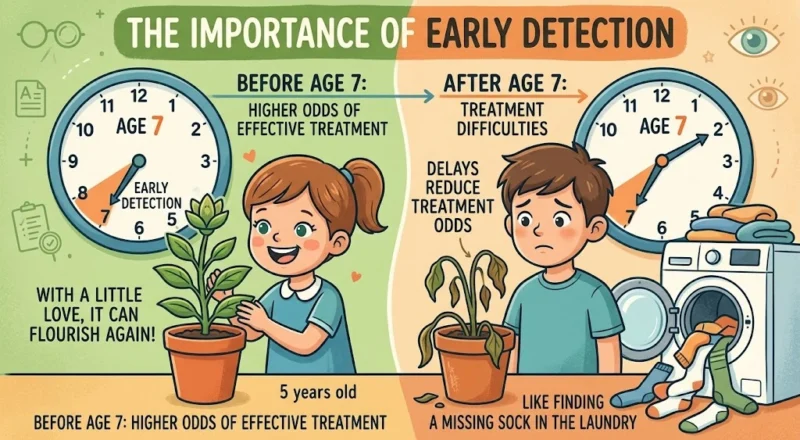
Time waits for no one! Early detection of amblyopia is critical because if we don’t catch it by around age 7, the chances of “fixing” the eye go down faster than your hopes of finding a missing sock in the laundry. The earlier we identify issues, the better the odds of effective treatment. Think of it like catching a plant just as it starts to wilt; with a little love, it can flourish again!
Additional Diagnostic Tools for Amblyopia
Visual Acuity Tests
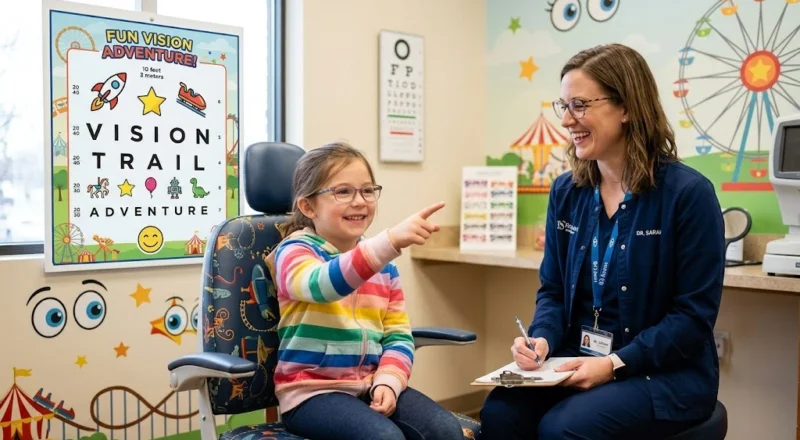
While the cover test is a superhero in eye examinations, it’s not the only player in this game. Visual acuity tests measure how well each eye sees—think of it as giving each eye a report card. This helps to quantify any vision disparities, giving a clear picture alongside the cover test findings. Plus, they can usually be done with fun charts that make kids feel like they’re at an eye-themed amusement park.
Other Clinical Assessments
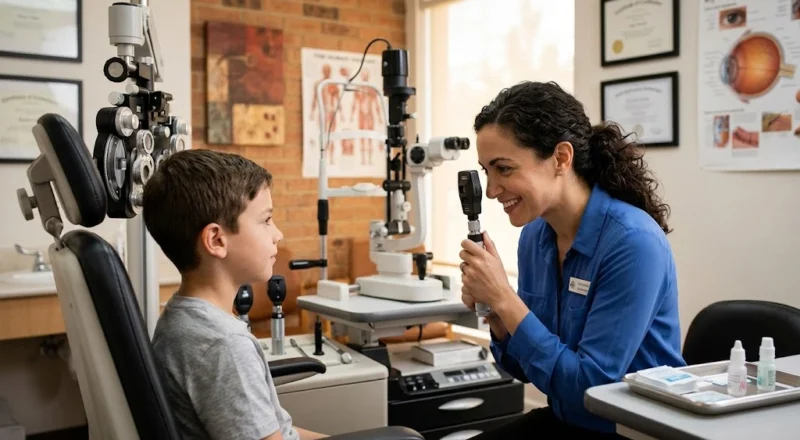
We’re not stopping at just cover tests and visual acuity here. Other assessments can include retinoscopy and ocular health examinations. These tests help eye doctors spot any structural problems or other underlying issues. Combining these tools helps ensure that we’re not just checking for amblyopia but also giving the eyes a thorough health check-up, just like that annual visit to the dentist, but way less scary and without the drills.
Treatment Options Following Amblyopia Diagnosis
Common Treatment Approaches
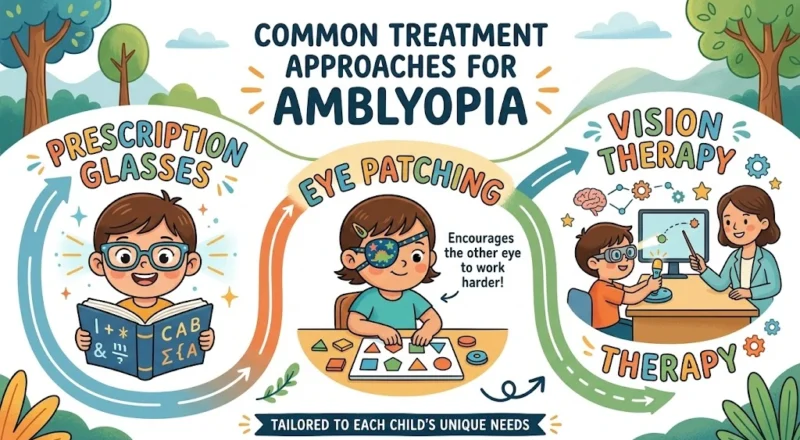
Once we’ve waved the “Amblyopia Alert!” flag, treatment options come into play. The classics include prescription glasses, patching (where one eye gets a fashionable eye patch to encourage the other to pull its weight), and even vision therapy. Each approach is like a different path in a choose-your-own-adventure book, tailored to the kiddo’s specific needs and the type of amblyopia we’re dealing with.
The Role of Follow-Up and Monitoring
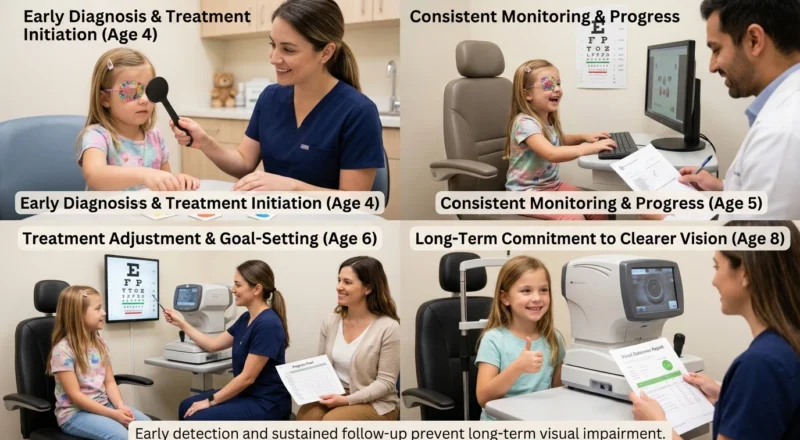
After diagnosis and the start of treatment, regular follow-ups are crucial—like the sequel to a good movie where everything gets resolved! These visits ensure that progress is being made and that the treatment is having the desired effect. They also provide a chance to tweak the approach if things aren’t going as planned. Remember, success in treating amblyopia is a marathon, not a sprint. So, buckle up for the journey to clearer vision! In conclusion, the cover test is a vital tool in the early diagnosis of amblyopia in children, enabling timely intervention that can significantly improve visual outcomes.
By recognising the importance of routine vision screenings and understanding the role of this simple yet effective test, parents and healthcare providers can work together to ensure that children receive the care they need for healthy visual development. Early detection and appropriate treatment can make a profound difference, helping to prevent the long-term effects of amblyopia and promoting a brighter future for every child.
Frequently Asked Questions
What age should children have their vision screened for amblyopia?
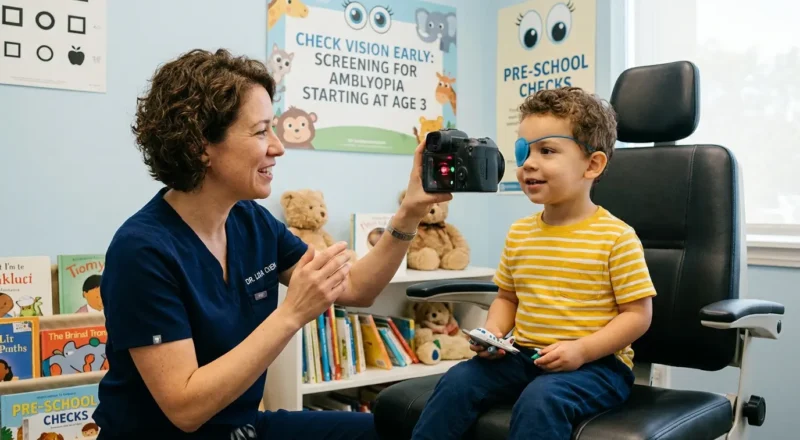
Children should have their vision screened for amblyopia as early as age three, with follow-up checks recommended before starting school and at regular intervals thereafter.
Is the cover test painful for children?
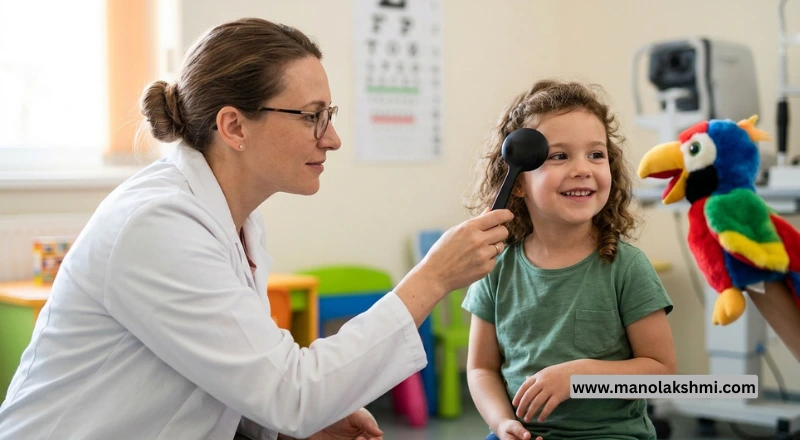
No, the cover test is a non-invasive and painless procedure that involves covering one eye at a time to assess how well the eyes work together.
How can parents help prepare their child for a vision test?
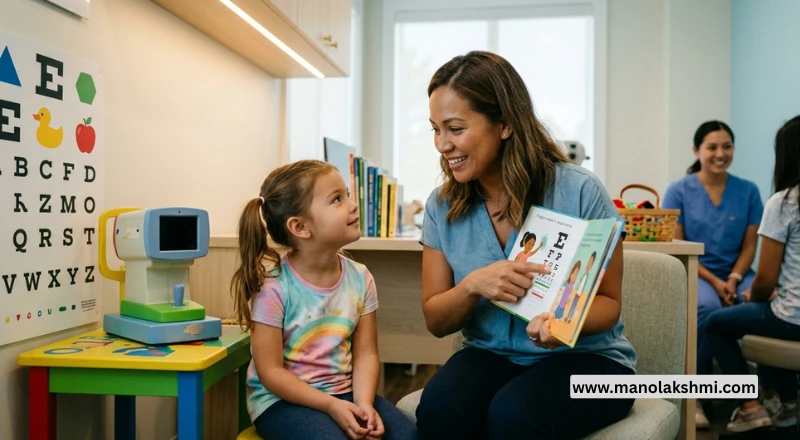
Parents can prepare their child by explaining the procedure in simple terms, reassuring them that it is quick and painless, and encouraging them to be calm during the test.
What should I do if my child fails the cover test?
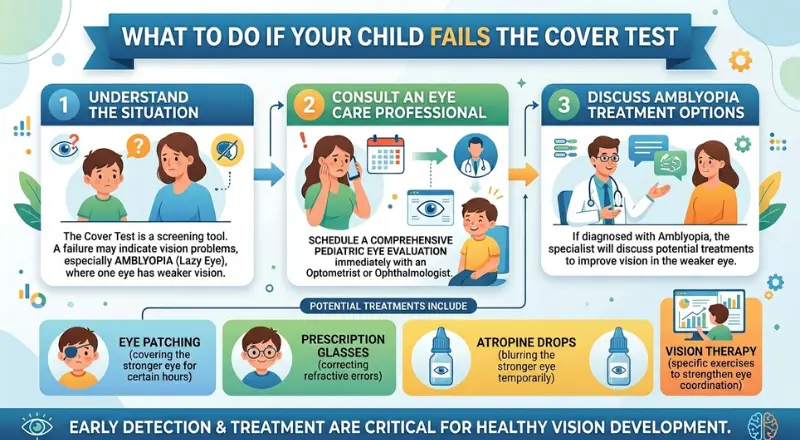
If your child fails the cover test, it is important to consult an eye care professional for a comprehensive evaluation and to discuss potential treatment options for amblyopia.
Click here to visit and support my page: Depth Perception: Why One-Eye Pen Alignment Fails

Elevate your lifestyle with our curated content on technology, sports, travel, health, and fashion. Stay ahead of the trends and make informed choices.