Thunderstorms: Amazing Nature’s Electrifying, Thrilling Display
There is something primitive and profoundly stirring about a thunderstorm. From the moment the sky darkens and the first rumble of distant thunder shakes the air, people from various cultures look high up to the sky with a mixture of awe and wonder. Thunderstorms represent one of nature’s most powerful and dramatic displays—a spectacular convergence of atmospheric forces that transforms an ordinary afternoon into something truly unforgettable.
These electric storms are far more than simply spectacular light shows. They are complex meteorological events that play a crucial role in Earth’s climate system, redistribute energy across the planet, and remind us of the immense power contained within our atmosphere. Whether you are a storm chaser chasing the next great lightning strike, a photographer seeking that perfect capture, or simply someone who appreciates the beauty of natural weather phenomena, thunderstorms offer endless fascination.
This comprehensive guide explores the science behind these incredible events, provides essential safety information, and reveals how anyone can appreciate and document the raw power of stormy weather.

The Science of Thunderstorms
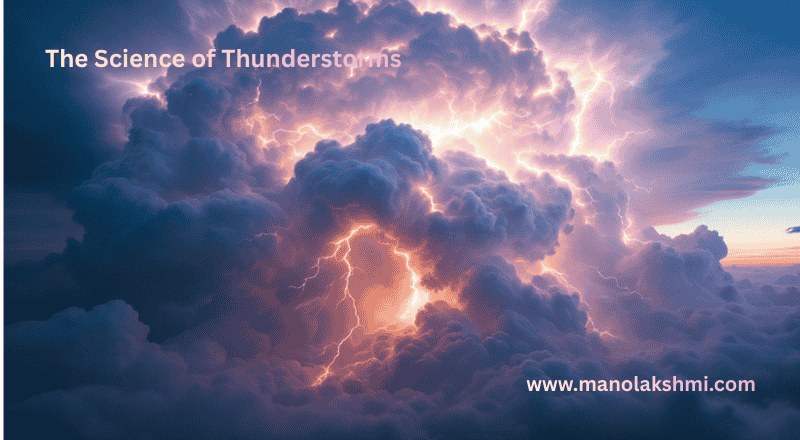
At their core, thunderstorms are atmospheric electrical discharges that occur within cumulonimbus clouds or between clouds and the ground. Understanding the science behind these events transforms casual observation into a deeper appreciation of nature’s intricate systems.
How Thunderstorms Form

Thunderstorms require three essential ingredients to develop: moisture, unstable air, and a lifting mechanism. These elements combine to create the perfect conditions for storm formation.
Warm, moist air rises from the Earth’s surface into the cooler upper atmosphere. As this air ascends, it cools and condenses, releasing latent heat that fuels further upward movement. This process creates powerful updrafts within developing clouds.
Within the towering cumulonimbus cloud, ice crystals and supercooled water droplets collide repeatedly. These collisions cause electrical charges to separate, with lighter positive charges gathering at the cloud’s top while heavier negative charges accumulate at the base. When the electrical potential is strong enough, lightning discharges as a spark that equalizes opposing charges.
The result is one of nature’s most impressive displays of electric power—a lightning strike that can heat the surrounding air to temperatures five times hotter than the surface of the sun.
Types of Thunderstorms
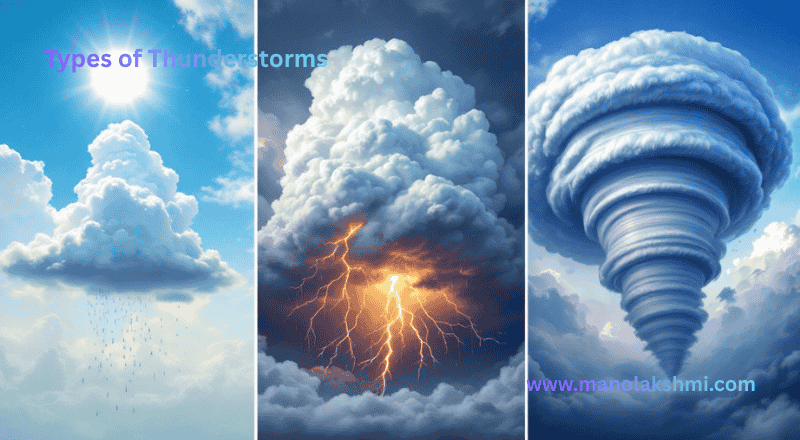
Not all thunderstorms are created equal. Meteorologists classify these events into several distinct categories, each with unique characteristics.
Single-cell storms are brief, lasting approximately one hour, and typically occur during summer afternoons when warm, humid conditions create localized instability. These are the classic afternoon thunderstorms that pop up quickly and dissipate just as fast.
Multicell storms consist of a series of cells moving together as a cluster. Each cell lasts around twenty to forty minutes, with new cells forming as older ones decay. These storms can bring heavy rain, lots of lightning, and sometimes even severe weather.
Supercell thunderstorms are the most powerful and dangerous variety. These storms feature a persistent rotating updraft called a mesocyclone that can sustain itself for hours. Supercells are responsible for the most intense lightning displays, the largest hail, the strongest winds, and the most violent tornadoes.
Capturing the Power of Lightning
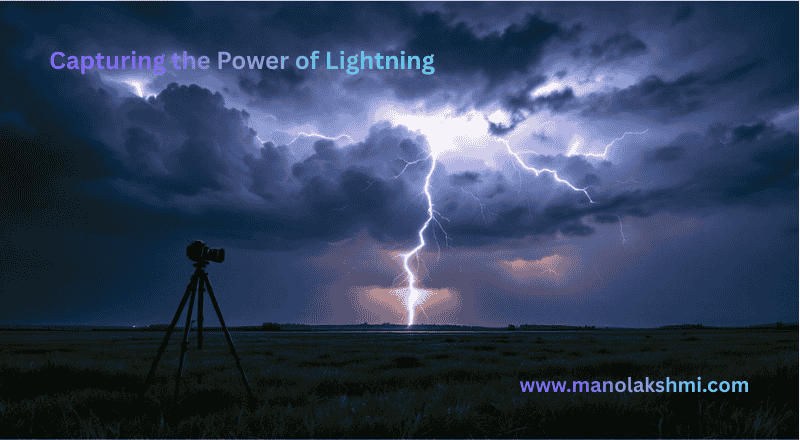
For photography enthusiasts, lightning storms present an irresistible opportunity. Storm photography has become increasingly popular as equipment has become more accessible and techniques more widely shared. The challenge of capturing nature’s fleeting electrical spectacle required a combination of technical skill and patience.
Essential Equipment

Successful storm photography requires relatively simple gear. A solid tripod is a must-have, since long exposures require your camera to stay perfectly still. A DSLR or mirrorless camera with manual settings allows precise control over exposure. A wide-angle lens captures the expansive nature of stormy skies, while a telephoto lens can isolate specific lightning bolts for dramatic impact.
Many photographers use remote triggers or intervalometers to minimize camera shake when pressing the shutter button. Some employ lightning triggers—devices that detect lightning’s light signature and automatically fire the camera. While these tools can be helpful, they are not essential for beautiful captures.
Techniques for Stunning Images
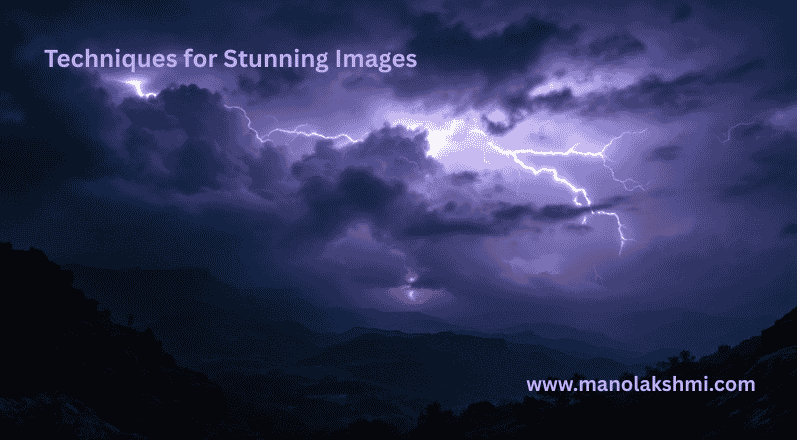
The most common approach involves setting the camera on a tripod, selecting a composition that includes interesting foreground elements, and using either a long exposure or a lightning trigger. Exposures typically range from 10 to 30 seconds, though some photographers use bulb mode for even longer exposures.
Patience is perhaps the most important tool in storm photography. Photographers may wait hours for the perfect strike, watching radar data and timing their shots with approaching cells. Some of the most stunning shots come from standing with the storm at your back, capturing lightning striking in the distance against a backdrop of dramatic skies.
Safety remains paramount while pursuing these shots. Never compromise personal safety for a photograph—lightning can strike miles away from the storm’s core, and open areas, high ground, and isolated trees are dangerous places during electrical storms.
Essential Thunderstorm Safety Tips
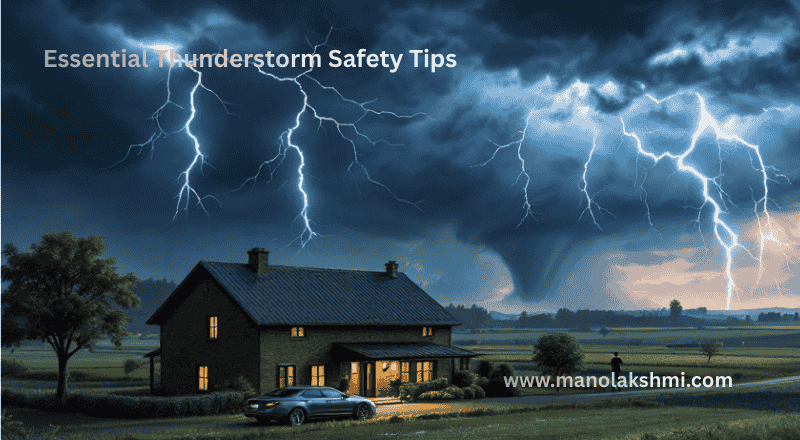
While thunderstorms inspire awe and wonder, they also demand respect. Lightning strikes kill hundreds of people annually, and severe weather associated with these storms causes billions in property damage. Knowing and following the right safety protocols helps make sure your love for stormy weather stays safe and never turns into a risky situation.
When Lightning Threatens
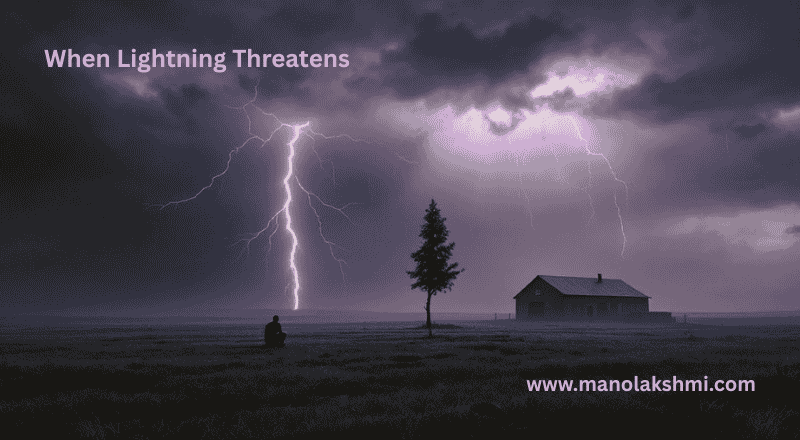
As soon as you hear thunder, the risk of lightning is already present. Sound travels roughly one mile every five seconds, so thunder indicates lightning is within roughly five miles. This distance represents the threshold for seeking shelter.
The safest shelter during a thunderstorm is a substantial building with full walls and a roof. Stay away from open-sided structures like porches, pavilions, or covered picnic spots. Hard-topped vehicles with closed windows provide excellent protection, as the metal frame routes electrical current around occupants.
When you are outdoors without shelter, make it a point to steer clear of high ground, open fields, and isolated trees. Lone trees standing in open areas are frequent lightning targets. Instead, seek low-lying areas, crouch low to the ground, and minimize contact with the Earth by staying on the balls of your feet rather than lying flat.
Severe Weather Hazards
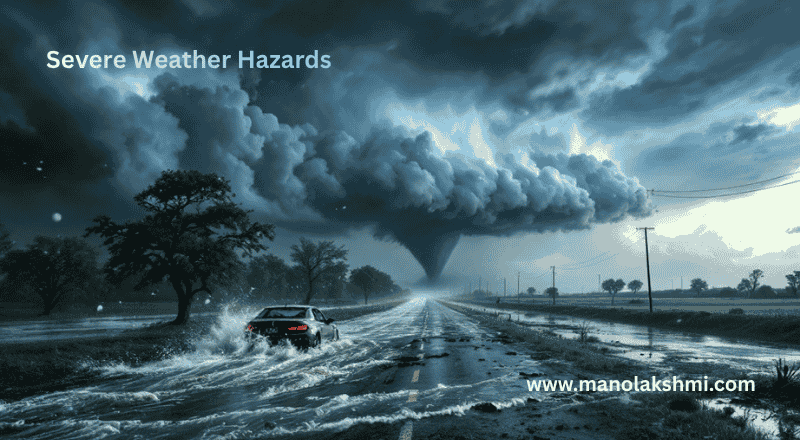
Beyond lightning, thunderstorms can produce numerous hazards. Straight-line winds exceeding seventy-five miles per hour can cause widespread damage, rivaling tornado winds in destructive potential. These winds often arrive before the storm’s visible wall of clouds.
Large hail poses serious threats to people, animals, property, and vehicles. Baseball-sized hailstones fall at speeds exceeding one hundred miles per hour. Seeking shelter immediately upon receipt of the warning is essential.
Flash flooding kills more people annually than any other thunderstorm hazard. Avoid crossing flooded roads, even if the water appears shallow. As little as six inches of moving water can sweep a person off their feet, and deeper water can carry vehicles away.
Tornadoes, often linked to supercell thunderstorms, are the most extreme kind of weather out there. Knowing the difference between tornado watch and warning conditions, identifying safe rooms or basements, and having emergency plans in place could prove life-saving.
Understanding Atmospheric Electricity
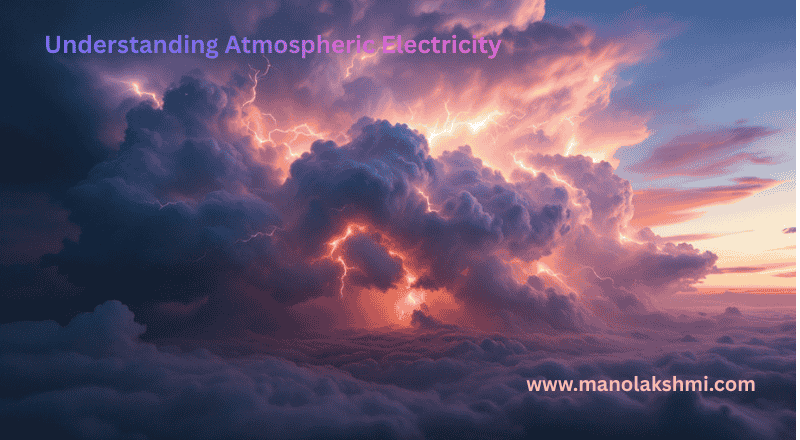
The spark we witness as lightning represents one of the most fascinating phenomena in atmospheric science. Understanding the processes behind atmospheric electricity deepens appreciation for these spectacular displays.
The Electrification Process
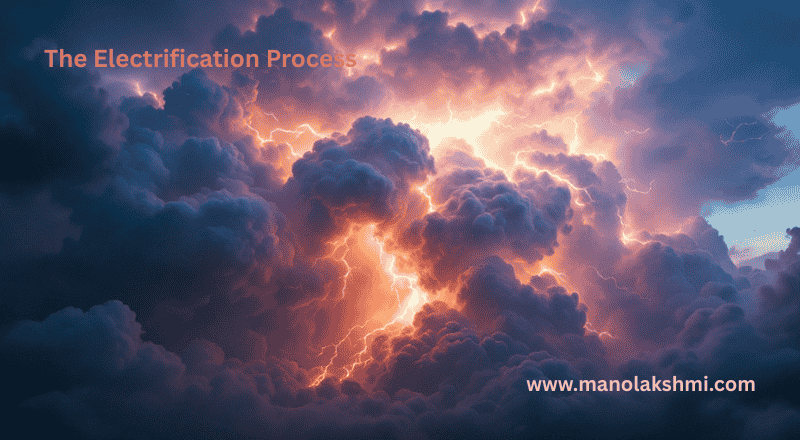
Within massive cumulonimbus clouds, the interactions between ice particles lead to the buildup of electrical charges. As updrafts carry ice crystals upward, they collide with heavier graupel—soft hail particles—falling through the cloud. These collisions transfer electrical charges, with lighter crystals carrying positive charges upward and heavier graupel accumulating negative charges below.
This charge separation creates an enormous electrical potential difference, sometimes exceeding one hundred million volts. When this potential overcomes the air’s resistance, a lightning discharge occurs.
The lightning channel superheats surrounding air to approximately fifty thousand degrees Fahrenheit—hotter than the sun’s surface. This rapid heating causes air to expand explosively, creating the thunder we hear as a rolling boom. Sound travels at about one thousand feet per second, so by counting the seconds between a flash of lightning and the sound of thunder, you can estimate the distance—five seconds is roughly one mile.
Types of Lightning
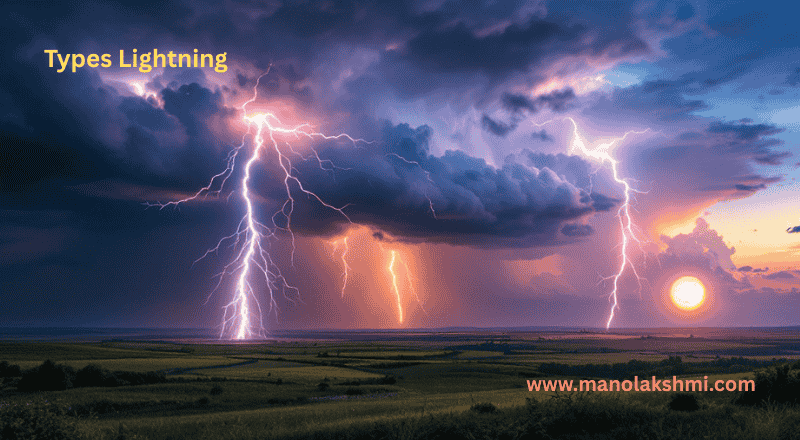
Not all lightning occurs between clouds and the ground. Cloud-to-ground lightning accounts for roughly twenty to twenty-five percent of all lightning discharges, while the majority occurs within and between clouds.
Positive lightning originates from the cloud’s upper positive charge region and travels downward to the ground. These strikes are less common but carry a significantly greater electrical charge and can strike miles away from the storm’s main activity area. Positive lightning causes a disproportionate number of injuries and deaths.
Ball lightning, though rare and poorly understood, appears as luminous spheres persisting for seconds or even minutes. Scientific explanations remain controversial, ranging from plasma formations to silicon nanoparticle combustion. These mysterious displays have inspired countless reports and scientific investigations.
Tracking Extreme Weather Patterns
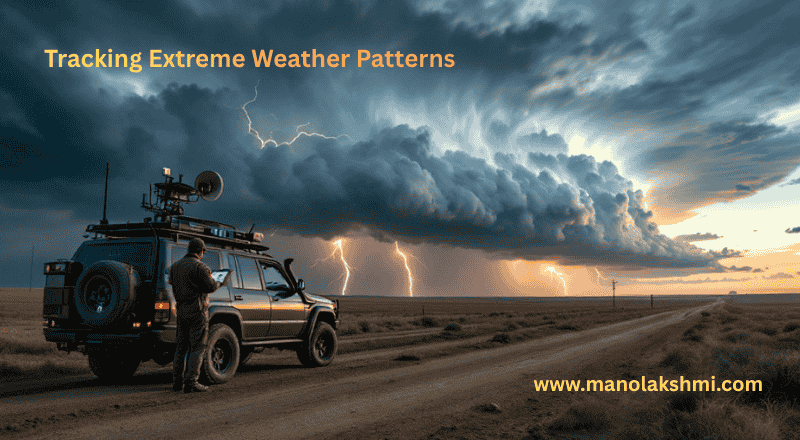
Modern technology has revolutionized how we observe, track, and understand thunderstorms. From satellite imagery to radar networks to volunteer storm spotters, the tools available to weather enthusiasts and professionals alike continue advancing.
Modern Forecasting Tools
The National Weather Service operates a nationwide network of Doppler radars that detect precipitation intensity, storm rotation, and other crucial characteristics. These radars update every few minutes, providing real-time storm monitoring capabilities previously unavailable.
Satellite images from geostationary and polar-orbiting systems monitor storm development over vast ocean basins and entire continents. Visible and infrared imagery illuminate cloud-top temperatures, revealing storm intensity and showcasing our potential to understand and conquer nature’s challenges.
Numerous smartphone applications put this information directly in users’ hands. Apps like Storm Radar, Weather Underground, and NOAA Weather Radar provide detailed storm tracking with watches, warnings, and live lightning data.
Storm Chasing Culture
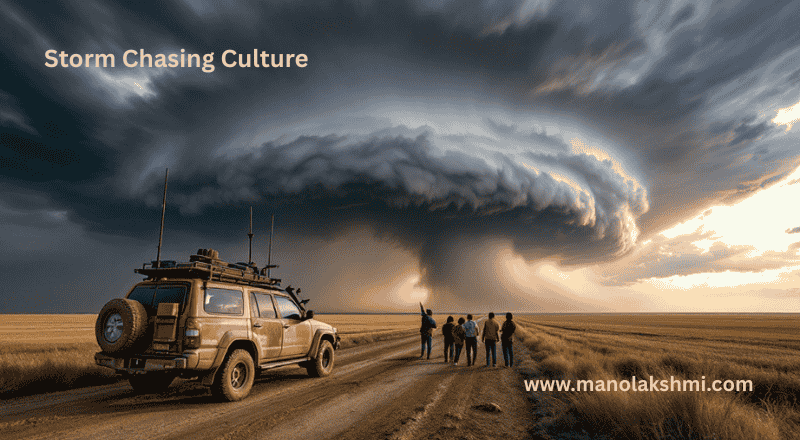
Storm chasing has grown from a small community of dedicated enthusiasts to a mainstream pursuit attracting thousands annually. Chase teams travel the Great Plains during spring and early summer, seeking the most photogenic and scientifically significant storms.
Organized storm-chasing tours offer people the opportunity to experience severe weather safely under professional guidance. These tours offer insights into storm structures while chasing picturesque cells across Tornado Alley and other active regions.
Citizen scientists empower our understanding of weather by providing invaluable observations through programs like the Spotter Network, uniting trained volunteers with National Weather Service offices to make a difference. These reports supplement radar data with ground-truth observations critical for warning verification and improvement.
Climate Connections
Researchers increasingly examine how climate change affects thunderstorm patterns. A warmer atmosphere holds more moisture, potentially increasing precipitation intensity. Some research indicates that the frequency of severe weather could change as global temperatures continue to climb.
Understanding these connections helps communities prepare for evolving risks while appreciating the broader climate systems that generate the storms we observe.
Experiencing Nature’s Power
Thunderstorms remain one of nature’s most accessible spectacles. Unlike earthquakes or volcanic eruptions that require being in specific locations, electric storms happen regularly in most populated areas. Each year, approximately one hundred thousand thunderstorms occur worldwide, providing countless opportunities for observation and appreciation.
The key to enjoying thunderstorms safely lies in preparation and respect. Understanding weather forecasts, recognizing developing threats, and knowing when to seek shelter allow appreciation without unnecessary risk. From safe vantage points, the show continues—one of the most impressive demonstrations of atmospheric power available to human observation.
Thunderstorms provide endless wonder, whether you chase them, photograph lightning from a safe distance, or enjoy the spectacle from your porch. They remind us of forces beyond human control, beauty in destructive power, and the remarkable atmosphere that makes our planet habitable.
The next time dark clouds gather and electricity fills the air, take a moment to appreciate the science, beauty, and power of this extraordinary natural phenomenon. Stay safe, stay informed, and never stop marvelling at nature’s most electrifying displays.
Embrace the thunder. Respect the storm. And always prioritize safety when nature puts on its most spectacular show.
Click here to visit our post: Water Cycle Explained: The Lifeblood of Our Planet

Elevate your lifestyle with our curated content on technology, sports, travel, health, and fashion. Stay ahead of the trends and make informed choices.