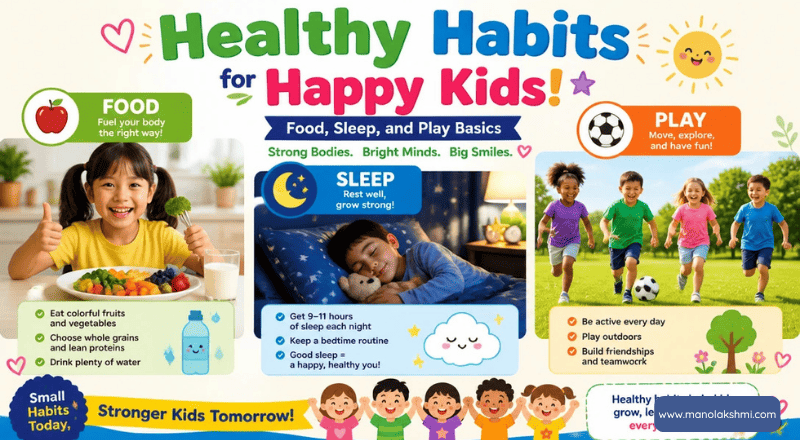
Healthy Habits for Happy Kids: Food, Sleep, and Play Basics
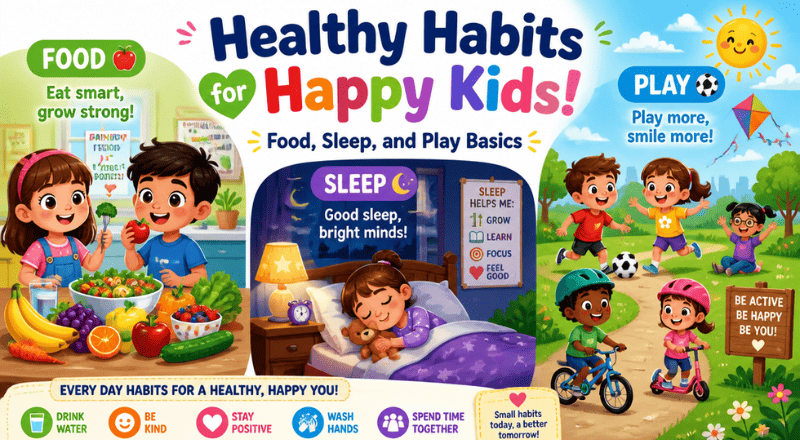
Every parent shares a common goal: to see their children grow up happy, healthy, and resilient. However, in an age of digital distractions, processed snacks, and busy schedules, establishing a foundation of wellness can feel daunting. Raising healthy children is not about achieving perfection every single day. It is about building sustainable, healthy habits for kids that eventually become second nature.
For parents of children aged 3 to 10, these years are a critical development window. Habits formed during this stage often persist into adolescence and adulthood. By focusing on the fundamentals—nutrition, sleep, and physical activity—families can provide their children with the tools they need to flourish both physically and mentally. This guide confidently delivers practical parenting advice and evidence-based strategies for child wellness, ensuring that every family can thrive.
Fuelling Growth with Balanced Nutrition (healthy habits)

Nutrition is the cornerstone of child wellness. What a child eats affects their energy levels, cognitive function, and even their mood. Implementing childhood nutrition tips doesn’t mean banning every treat; instead, it focuses on creating a balanced diet for kids that emphasises whole, nutrient-dense foods.
The Power of the Rainbow Plate
One of the easiest ways to ensure healthy eating for kids is to focus on colour. Different colours in fruits and vegetables represent different phytonutrients and antioxidants.
- Red: Tomatoes and strawberries are packed with lycopene and vitamin C.
- Orange/Yellow: Carrots and oranges are rich in beta-carotene, which nourishes your eyes and supports clear vision.
- Green: Spinach and broccoli are packed with iron and calcium.
- Blue/Purple: Blueberries and purple grapes support brain health.
Encouraging children to “eat the rainbow” turns mealtime into a game rather than a chore. It shifts the focus from “eating your veggies” to exploring a variety of flavours and textures.
Navigating the World of Macronutrients (healthy habits)
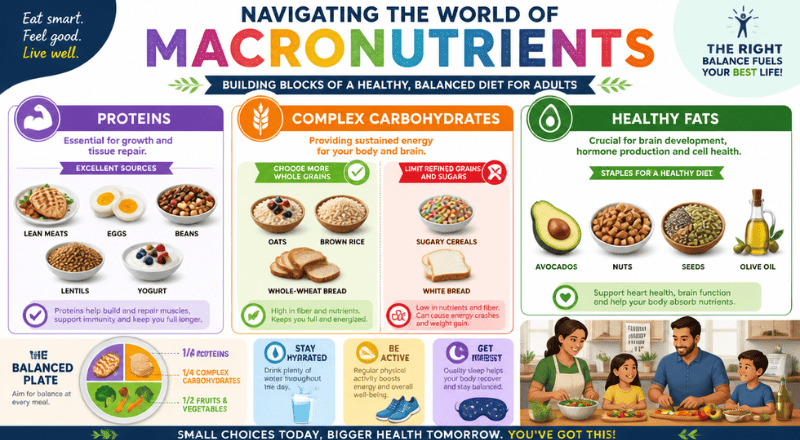
A balanced diet for kids requires a steady mix of proteins, carbohydrates, and healthy fats.
- Proteins: Essential for growth and tissue repair. Lean meats, eggs, beans, lentils, and yoghurt are excellent sources.
- Complex Carbohydrates: These provide sustained energy. Opt for whole grains like oats, brown rice, and whole-wheat bread over sugary cereals or white bread.
- Healthy Fats: Crucial for brain development. Avocados, nuts (for older kids), seeds, and olive oil should be staples in a family kitchen.
Strategies for Managing Picky Eaters
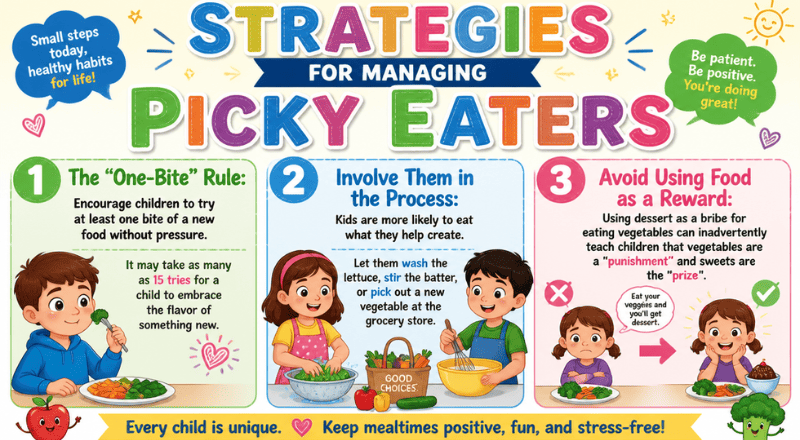
Picky eating is a standard developmental phase that children typically go through between the ages of 3 and 10. However, it can be a significant source of stress for parents. Here are a few healthy lifestyle tips for families dealing with a cautious eater:
- The “One-Bite” Rule: Encourage children to try at least one bite of a new food without pressure. It may take as many as 15 tries for a child to embrace the flavour of something new.
- Involve Them in the Process: Kids are more likely to eat what they help create. Let them wash the lettuce, stir the batter, or pick out a new vegetable at the grocery store.
- Avoid Using Food as a Reward: Using dessert as a bribe for eating vegetables can inadvertently teach children that vegetables are a “punishment” and sweets are the “prize”.
The Importance of Hydration
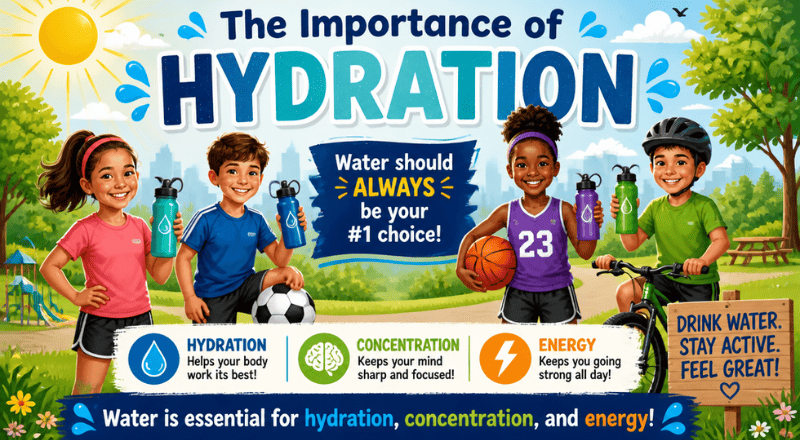
Water should always be the primary beverage for active kids. While fruit juices might seem healthy, they often contain. As much sugar as soda without the fibre found in whole fruit. Keeping a reusable water bottle accessible throughout the day helps children stay hydrated, which improves concentration and prevents fatigue.
Establishing Consistent Sleep Routines for Kids (healthy habits)
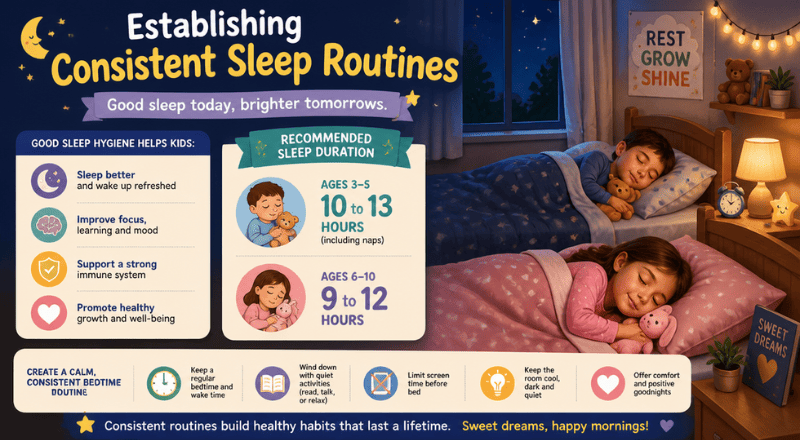
Sleep is an underrated pillar of health. For kids between 3 and 10, getting enough sleep is key for their growth and helps their brains make sense of what they learn each day. A consistent kids’ sleep routine is essential for emotional regulation and cognitive performance.
Why Sleep Hygiene for Children Matters
Sleep hygiene refers to the habits and environment that promote high-quality rest. When children lack sleep, they often become hyperactive, irritable, or have difficulty focusing in school. Long-term sleep deprivation can even impact the immune system.
Recommended Sleep Durations
Although every child is unique, general guidelines recommend:
- Ages 3-5: 10 to 13 hours (including naps).
- Ages 6-10: 9 to 12 hours.
Creating a “Wind-Down” Hour

The transition from a vibrant, energetic day to a peaceful night unfolds gradually and confidently over time. A successful kids’ sleep routine should include a 30- to 60-minute wind-down period.
- Screen-Free Zone: The blue light from tablets, phones, and TVs interferes with melatonin production. Try to switch off all screens at least an hour before going to bed.
- The Three B’s: Bath, Books, and Bed. A warm bath relaxes the muscles, while reading together fosters a sense of security and boosts literacy skills.
Consistency is key.
One of the most important childhood wellness tips is to keep the same sleep and wake times, even on weekends. While a “sleep-in” might seem like a treat, it can disrupt. A child’s circadian rhythm, making Monday mornings much harder for everyone involved.
Prioritising Daily Physical Activity and Play
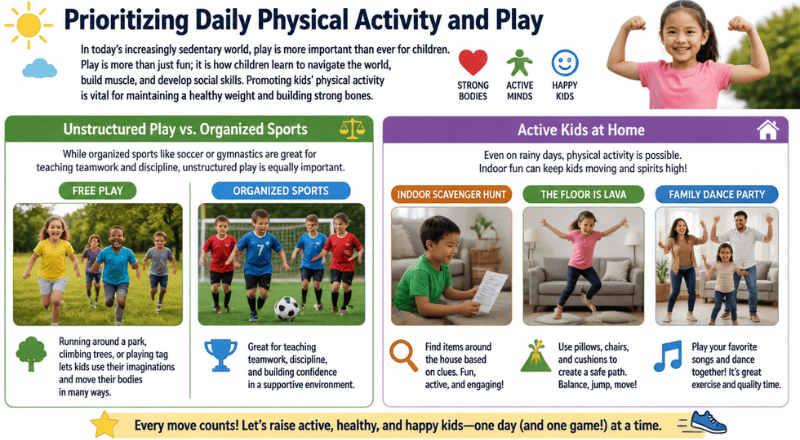
In today’s increasingly sedentary world, play is more important than ever for children. Play is more than just fun; it is how children learn to navigate the world, build muscle, and develop social skills. Promoting kids’ physical activity is vital for maintaining a healthy weight and building strong bones.
Unstructured Play vs. Organised Sports (healthy habits)
While organised sports like soccer or gymnastics are great for teaching teamwork and discipline, unstructured play is equally important.
- Free Play: Running around a park, climbing trees, or playing tag lets kids use their imaginations and move their bodies in many ways.
- Active Kids at Home: Even on rainy days, physical activity is possible. Indoor scavenger hunts, “the floor is lava” games, or family dance parties are great ways to keep children moving.
The Benefits of Outdoor Time
 Nature has a grounding effect on children. Spending time outdoors provides a sensory-rich environment that can reduce stress and anxiety. Whether it’s a hike in the woods or a 15-minute walk around the block, fresh air and natural light are essential for raising healthy children.
Managing Screen Time
To encourage more physical activity, it is necessary to set boundaries around digital entertainment.
- Set Limits: Use parental controls or “tech-free zones” like the dinner table.
- Active Alternatives: If a child wants to use a screen, suggest an interactive dance game. (or) a yoga video specifically designed for kids.
- Lead by Example: If parents are constantly on their phones, children will likely mirror that behaviour. Make it a family goal to put the devices away and engage with each other.
Developing Gross and Fine Motor Skills (healthy habits)
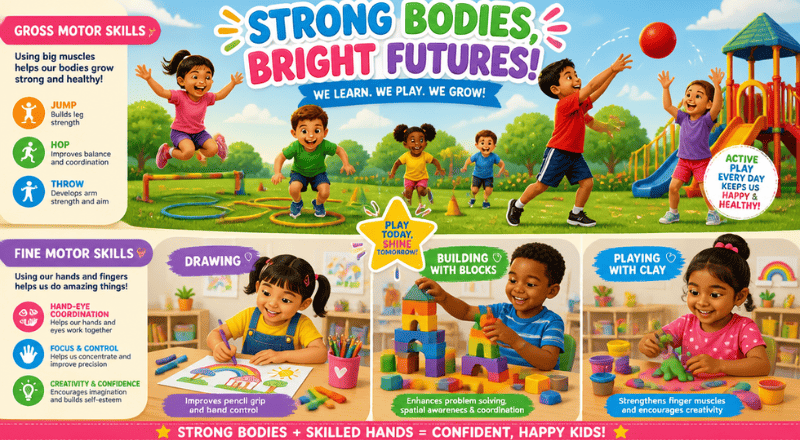
Active play helps children reach important developmental milestones.
- Gross Motor Skills: Jumping, hopping, and throwing a ball strengthen large muscle groups.
- Fine Motor Skills: Activities like drawing, building with blocks, or playing with clay improve hand-eye coordination.
Practical Strategies for Family Wellness (healthy habits)
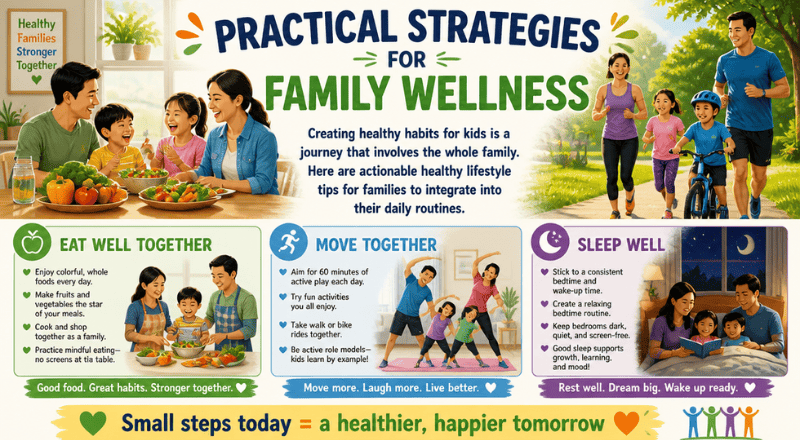
Creating healthy habits for kids is a journey that involves the whole family. When wellness becomes a shared family value, it feels less like a set of rules and more like a way of life. Here are some actionable healthy lifestyle tips for families to integrate into their daily routines.
Be a Role Model
Children are like sponges; they observe and imitate the adults around them. If a parent prioritises their own sleep, enjoys eating vegetables, and stays active, the child is much more likely to do the same. Modelling a positive relationship with food and exercise is the most powerful parenting advice anyone can give.
Meal Planning and Preparation

The “What’s for dinner?” stress often leads to fast food or processed meals. Spending 30 minutes on a Sunday to plan the week’s meals can transform a family’s nutrition.
- Involve the Kids: Let them pick one meal a week.
Prep in Advance: Cut up veggies or portion out snacks right after grocery shopping to make healthy choices the easiest choice.
Focusing on Mental and Emotional Health (healthy habits)
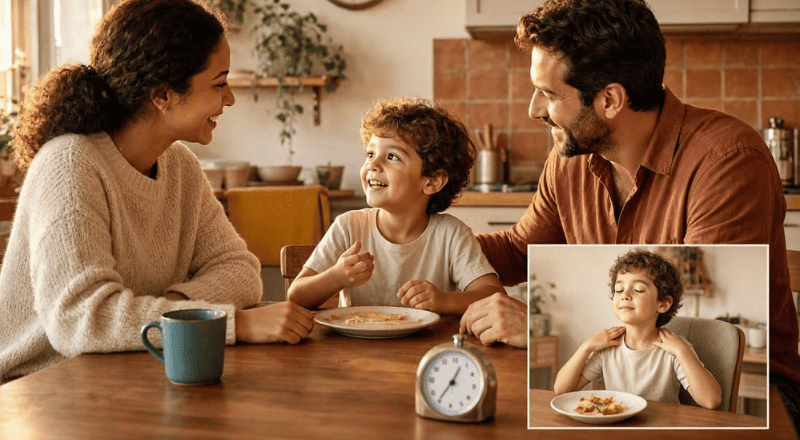
Child wellness isn’t just physical. A happy child feels safe and heard.
- Open Communication: Create a daily “highs and lows” ritual at dinner where everyone shares the best and hardest part of their day.
- Teach Mindfulness: Simple breathing exercises can help children manage big emotions like anger or frustration.
- Quality Over Quantity: Even 10 minutes of undivided attention from a parent can significantly boost a child’s sense of security and well-being.
Small Steps Lead to Big Changes (healthy habits)
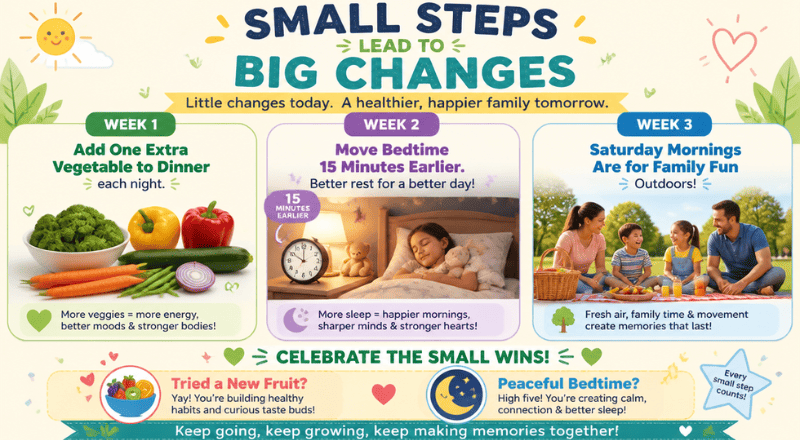
It is easy to feel overwhelmed by the idea of a total lifestyle overhaul. The secret to raising healthy children is to start small.
- Week 1: Focus on adding one extra vegetable to dinner each night.
- Week 2: Move bedtime 15 minutes earlier.
- Week 3: Dedicate Saturday mornings to an outdoor family activity.
Slow, incremental changes are much easier to maintain than drastic shifts. Celebrate the small wins, such as a child trying a new fruit or falling asleep without a fuss.
Building a Supportive Environment
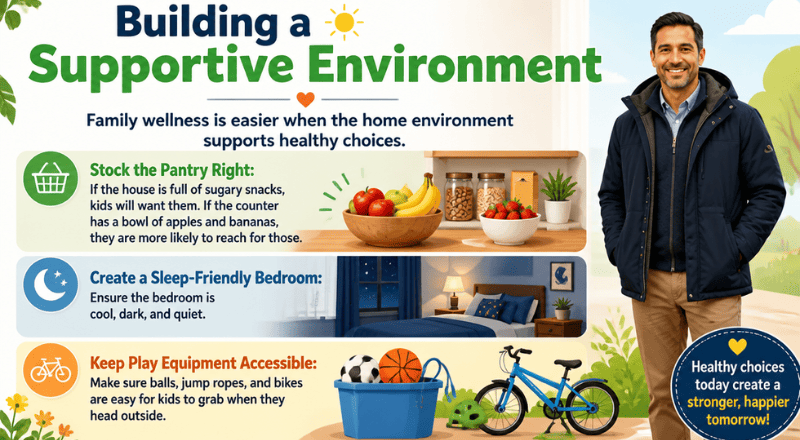
Family wellness is easier when the home environment supports healthy choices.
- Stock the Pantry Right: If the house is full of sugary snacks, kids will want them. If the counter has a bowl of apples and bananas, they are more likely to reach for those.
- Create a Sleep-Friendly Bedroom: Ensure the child’s room is cool, dark, and quiet.
- Keep Play Equipment Accessible: Make sure balls, jump ropes, and bikes are easy for the child to grab when they head outside.
Conclusion: A Foundation for a Lifetime
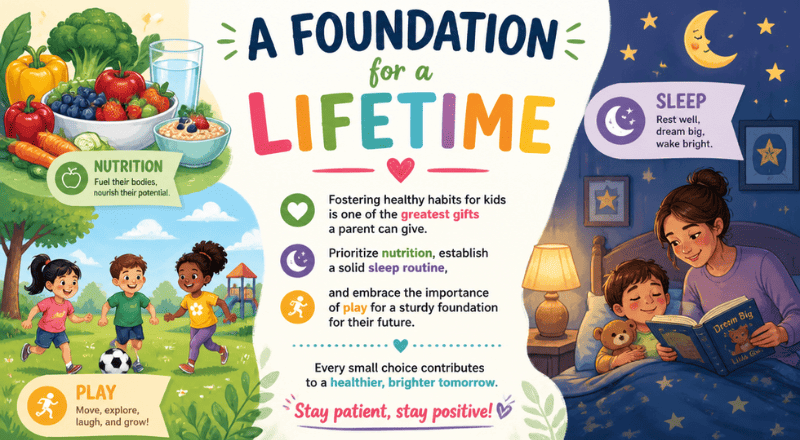
Fostering healthy habits for kids is one of the greatest gifts a parent can give. By prioritising childhood nutrition tips, establishing a solid kids’ sleep routine, and embracing the importance of play for children, parents provide a sturdy foundation for their children’s future.
Raising healthy children is a marathon, not a sprint. There will be days when dinner is a bowl of cereal and bedtime is an hour late, and that is okay. What matters most is the consistent effort to return to the basics: good food, plenty of rest, and lots of movement.
As a parent, your encouragement and support are the most important factors in your child’s success. Use these healthy lifestyle tips for families to create a vibrant, active, and happy home environment. Every small choice made today contributes to a healthier, brighter tomorrow for your little ones. Stay patient, stay positive, and remember that you are doing a great job in the most important role of your life.

Elevate your lifestyle with our curated content on technology, sports, travel, health, and fashion. Stay ahead of the trends and make informed choices.