Introduction
The story of genetics is a tale of curiosity, perseverance, and breakthrough moments that have reshaped our understanding of biology. From the first glimpse of a double helix to today’s ability to read entire genomes in a single day. The journey has been powered by ever‑more sophisticated DNA mapping tools. These instruments—spanning laboratory hardware, computational pipelines, and integrated genomics technology—allow scientists to transform raw biological data into meaningful insights about health, disease, and the fundamental mechanisms of life.
In this article we explore how genomic sequencing has evolved, highlight the essential DNA mapping tools that drive modern research, show how bioinformatics tools are enhancing precision medicine research, discuss the hurdles that still challenge genetic data analysis, and look ahead to the future trends in DNA decoding technology that promise to unlock even deeper secrets of the genome.
The Evolution of Genomic Sequencing
From Sanger to Next‑Generation: A Historical Perspective
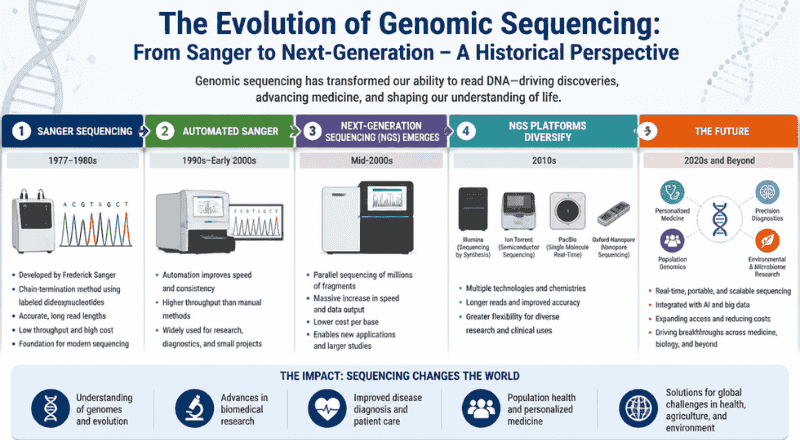
The first reliable method for determining the order of nucleotides in DNA was the Sanger chain‑termination technique, introduced in the 1970s. Although revolutionary, Sanger sequencing was labour‑intensive, costly, and limited to short fragments. Scientists could only dream of scaling this approach to whole genomes.
The turn of the millennium witnessed the birth of high‑throughput sequencing (HTS), also known as next‑generation sequencing (NGS). Platforms such as Illumina’s sequencing by synthesis, Ion Torrent’s semiconductor detection, and Pacific Biosciences’ single‑molecule real‑time (SMRT) technology dramatically increased throughput while reducing cost per base. Suddenly, sequencing a human genome dropped from hundreds of millions of dollars to under a thousand, ushering in an era where genomic sequencing became a routine laboratory tool.
The Rise of Third‑Generation and Long‑Read Technologies
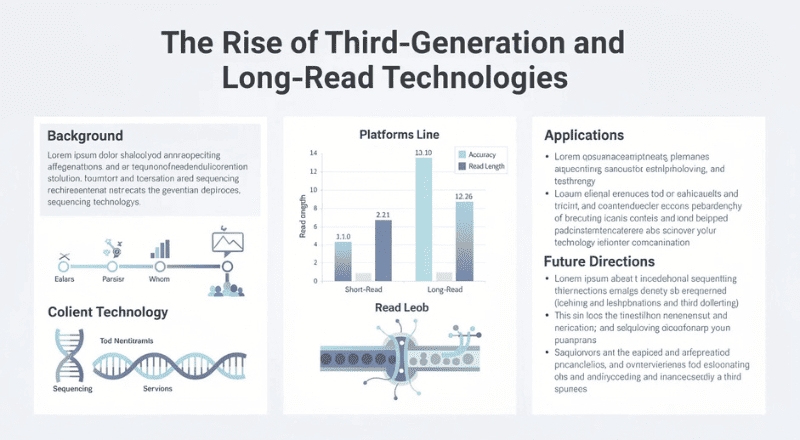
While short‑read NGS excelled at variant detection, it struggled with repetitive regions, structural variants, and phased haplotypes. The need for longer, more contiguous reads sparked the development of third‑generation sequencing platforms. Oxford Nanopore Technologies’ portable flow cells and PacBio’s HiFi reads now routinely generate reads exceeding tens of kilobases, enabling researchers to resolve complex genomic architectures that were previously invisible.
These advances have not only expanded the technical capabilities of DNA mapping tools. But it has also broadened the scope of genetic research technology. Today, a single experiment can capture single‑nucleotide polymorphisms (SNPs), insertions/deletions (indels), copy‑number variations (CNVs), methylation patterns, and even transcript isoforms. All essential components for a holistic view of genome function.
Essential DNA Mapping Tools for Researchers
Laboratory Hardware: The Core of Genome Sequencing Platforms
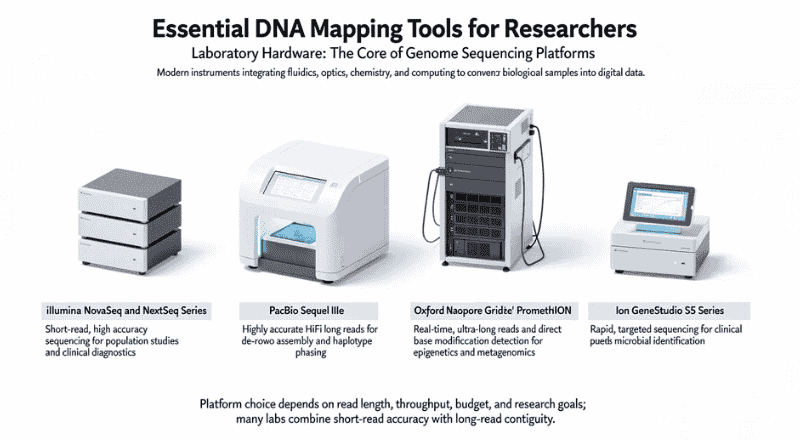
At the heart of any sequencing workflow lies the genome sequencing platform. Modern instruments integrate fluidics, optics, chemistry, and computing to convert biological samples into digital data. Key categories include:
- Illumina NovaSeq and NextSeq Series – dominate the market for short‑read, high‑accuracy sequencing, ideal for large‑scale population studies and clinical diagnostics.
- PacBio Sequel IIe – delivers highly accurate long reads (HiFi) that excel at de novo assembly and haplotype phasing.
- Oxford Nanopore GridION and PromethION offer real‑time, ultra‑long reads and direct detection of base modifications, making them powerful for epigenetics and metagenomics.
- Ion GeneStudio S5 Series – provides rapid, targeted sequencing for clinical panels and microbial identification.
Choosing the right platform depends on the research question, required read length, throughput, and budget. Many laboratories adopt a hybrid approach, combining short‑read accuracy with long‑read contiguity to achieve the most complete genomic picture.
DNA Mapping Software: Turning Reads into Knowledge
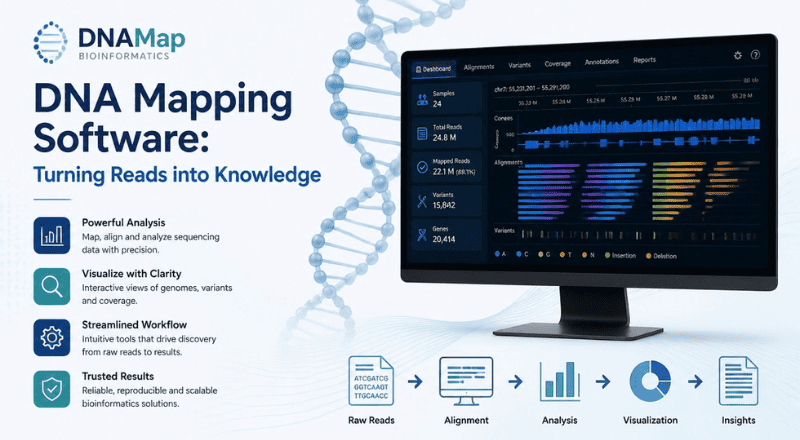
Raw sequencer output is merely a flood of nucleotides. DNA analysis software and bioinformatics tools transform these reads into actionable insights. Core software categories include:
- Base‑calling and Quality Control – Programs such as Illumina’s bcl2fastq, Nanopore’s Guppy, and PacBio’s SMRT Link convert raw signals into FASTQ files, while tools like FastQC and MultiQC assess read quality.
- Read Alignment and Mapping – Aligners like BWA‑MEM, Minimap2, and STAR place reads onto a reference genome, enabling variant calling and expression analysis.
- Variant Calling – GATK HaplotypeCaller, FreeBayes, and DeepVariant identify SNPs, indels, and structural variants with high sensitivity and specificity.
- Assembly and Phasing – Tools such as SPAdes, Flye, and HapCUT2 construct de novo genomes and resolve haplotypes from long‑read data.
- Annotation and Interpretation – ANNOVAR, VEP, and SnpEff annotate variants with functional predictions, linking them to genes, pathways, and disease phenotypes.
- Visualisation – Integrative Genomics Viewer (IGV), UCSC Genome Browser, and JBrowse allow researchers to explore genomic landscapes interactively.
These DNA mapping tools are not isolated utilities; they are often bundled into workflow management systems like Nextflow, Snakemake, or Cromwell, enabling reproducible, scalable pipelines that can process thousands of samples with minimal manual intervention.
Molecular Biology Tools Supporting Sequencing
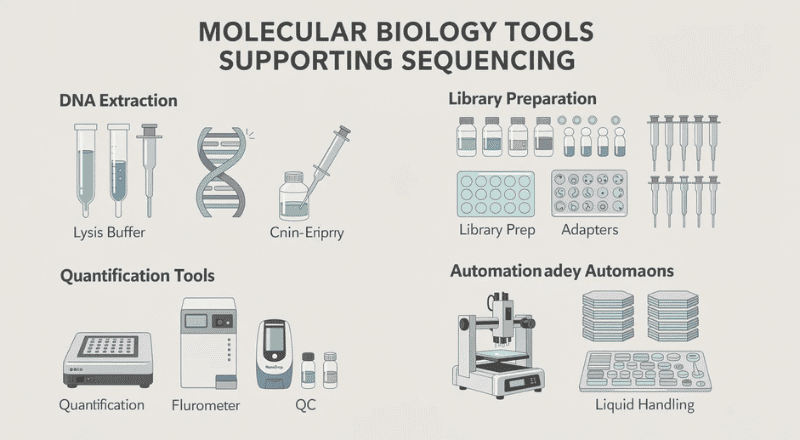
Successful sequencing relies on robust upstream molecular biology. Key molecular biology tools include:
- DNA extraction kits are optimised for diverse sample types (blood, tissue, plant, microbial).
- Library preparation reagents that fragment DNA, add adapters, and incorporate unique molecular identifiers (UMIs) to mitigate PCR bias.
- Quantification and quality assessment tools such as Qubit fluorometry and TapeStation electrophoresis, ensuring libraries meet platform specifications.
- Automation platforms (e.g., Hamilton, Tecan) that increase throughput and reduce human error in library construction.
By integrating high‑quality wet‑lab reagents with cutting‑edge sequencing platforms and sophisticated software, researchers can confidently push the boundaries of genetic discovery.
Enhancing Precision Medicine with Bioinformatics
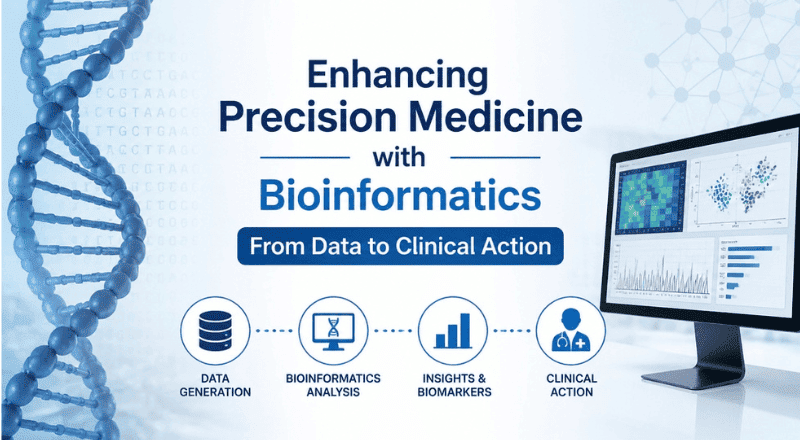
From Data to Clinical Action
The ultimate promise of genomics lies in its ability to inform precision medicine research—tailoring prevention, diagnosis, and therapy to an individual’s genetic makeup. Achieving this goal requires more than generating sequencing data; it demands intelligent interpretation through advanced bioinformatics tools.
- Risk Stratification – Polygenic risk score (PRS) calculators aggregate thousands of SNPs to estimate disease susceptibility, enabling early intervention for conditions like coronary artery disease or breast cancer.
- Pharmacogenomics – Tools such as CPIC guidelines and PharmGKB integrate genotype data with drug metabolism pathways, guiding clinicians to select the right drug at the right dose.
- Cancer Genomics – Somatic variant callers (MuTect2, Strelka2) combined with copy‑number and structural variant detectors identify actionable mutations, informing targeted therapies and immunotherapy eligibility.
- Rare Disease Diagnosis – Exome and genome sequencing pipelines, enhanced by phenotype‑driven variant prioritisation (e.g., Exomiser, Phenopix), shorten the diagnostic odyssey for patients with undiagnosed genetic disorders.
Integrating Multi‑Omic Layers
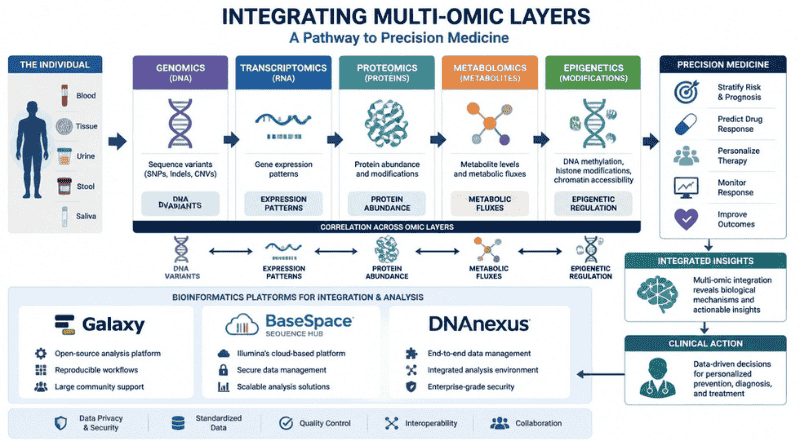
Precision medicine increasingly embraces a multi‑omic perspective—combining genomics with transcriptomics, proteomics, metabolomics, and epigenetics. Bioinformatics platforms that support multi‑omic integration, such as Galaxy, Illumina’s BaseSpace Sequence Hub, and DNAnexus, enable researchers to correlate DNA variants with gene expression patterns, protein abundance, and metabolic fluxes. This holistic view uncovers mechanistic links between genotype and phenotype, paving the way for truly personalised therapeutic strategies.
Clinical Decision Support Systems
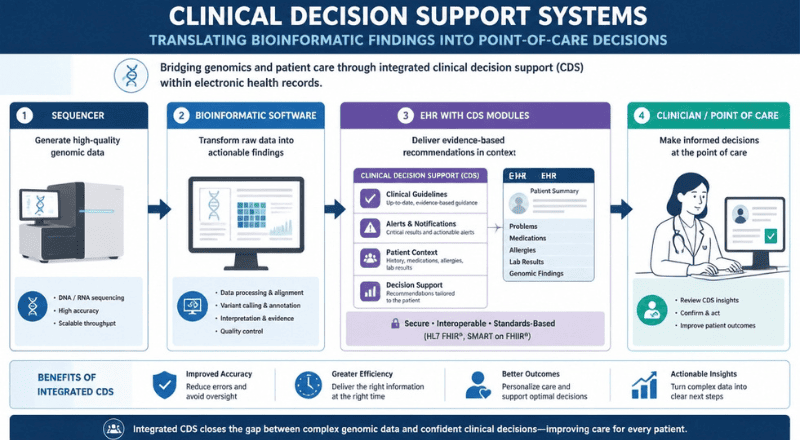
To translate bioinformatic findings into point‑of‑care decisions, many healthcare institutions embed clinical decision support (CDS) modules within electronic health records (EHRs). These modules ingest variant reports, apply rule‑based algorithms, and generate actionable alerts—for example, flagging a patient carrying a CYP2D6 poor‑metaboliser genotype when prescribing certain antidepressants. The seamless flow from sequencer to software to clinician exemplifies how DNA mapping tools and bioinformatics tools collectively advance the frontier of medical science.
Overcoming Challenges in Genetic Data Analysis
Data Volume and Storage
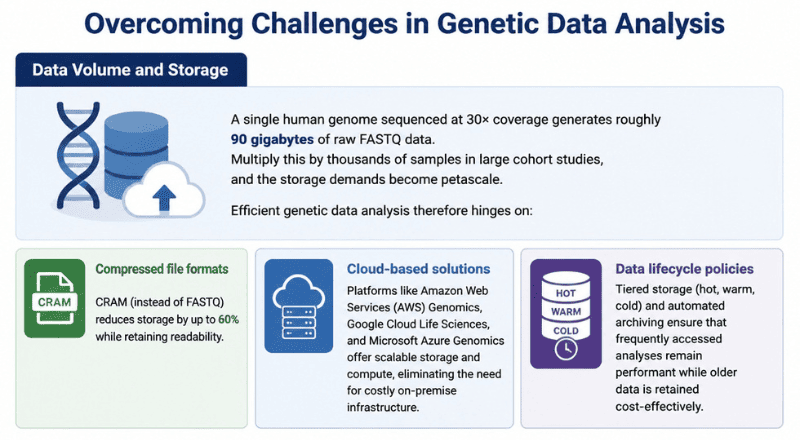
A single human genome sequenced at 30× coverage generates roughly 90 gigabytes of raw FASTQ data. Multiply this by thousands of samples in large cohort studies, and the storage demands become petascale. Efficient genetic data analysis therefore hinges on:
- Compressed file formats – CRAM (instead of FASTQ) reduces storage by up to 60% while retaining readability.
- Cloud‑based solutions – Platforms like Amazon Web Services (AWS) Genomics, Google Cloud Life Sciences, and Microsoft Azure Genomics offer scalable storage and compute, eliminating the need for costly on‑premise infrastructure.
- Data lifecycle policies – Tiered storage (hot, warm, cold) and automated archiving ensure that frequently accessed analyses remain performant while older data is retained cost‑effectively.
Computational Complexity
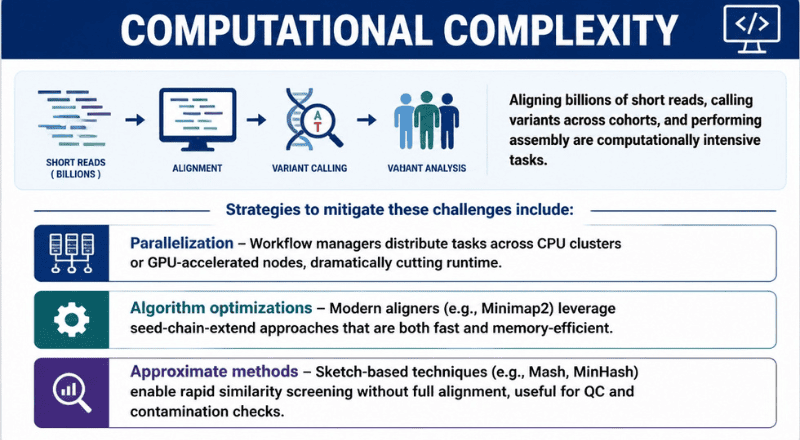
Aligning billions of short reads, calling variants across cohorts, and performing assembly are computationally intensive tasks. Strategies to mitigate these challenges include:
- Parallelisation – Workflow managers distribute tasks across CPU clusters or GPU‑accelerated nodes, dramatically cutting runtime.
- Algorithm optimisations – Modern aligners (e.g., Minimap2) leverage seed‑chain‑extend approaches that are both fast and memory‑efficient.
- Approximate methods – Sketch‑based techniques (e.g., Mash, MinHash) enable rapid similarity screening without full alignment, useful for QC and contamination checks.
Ensuring Accuracy and Reproducibility
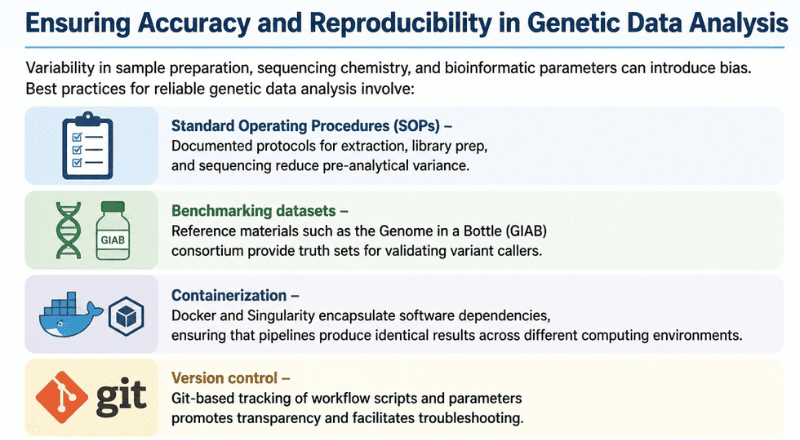
Variability in sample preparation, sequencing chemistry, and bioinformatic parameters can introduce bias. Best practices for reliable genetic data analysis involve:
- Standard Operating Procedures (SOPs) – Documented protocols for extraction, library prep, and sequencing reduce pre‑analytical variance.
- Benchmarking datasets – Reference materials such as the Genome in a Bottle (GIAB) consortium provide truth sets for validating variant callers.
- Containerisation – Docker and Singularity encapsulate software dependencies, ensuring that pipelines produce identical results across different computing environments.
- Version control – Git‑based tracking of workflow scripts and parameters promotes transparency and facilitates troubleshooting.
Ethical and Privacy Considerations
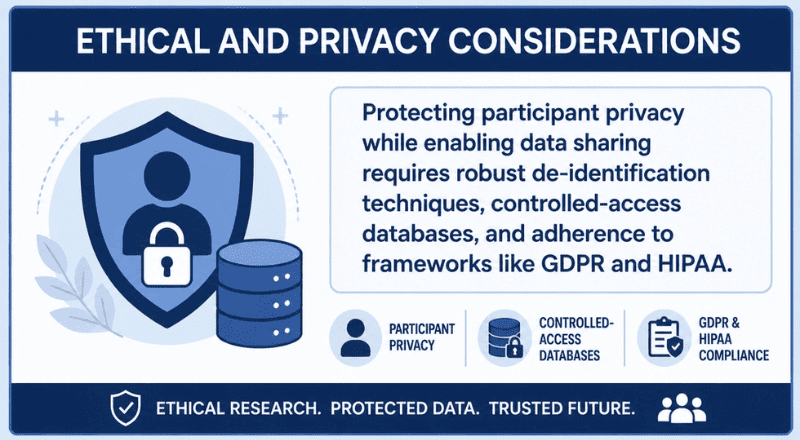
Genetic data are inherently personal. Protecting participant privacy while enabling data sharing requires robust de‑identification techniques, controlled‑access databases (e.g., dbGaP, EGA), and adherence to frameworks like the General Data Protection Regulation (GDPR) and the Health Insurance Portability and Accountability Act (HIPAA). Emerging technologies such as homomorphic encryption and secure multi‑party computation promise to allow analysis on encrypted data, further strengthening privacy safeguards.
Future Trends in DNA Decoding Technology
Ultra‑Long Reads and Real‑Time Sequencing
The drive for longer, more informative reads continues unabated. Nanopore’s upcoming Ultra‑Long Read (ULR) kits aim to routinely produce reads exceeding 1 megabase, enabling the direct sequencing of entire chromosomes or large structural variants in a single molecule. Coupled with real‑time basecalling and adaptive sampling, researchers will be able to enrich for regions of interest on the fly, reducing sequencing waste and accelerating discovery.
Single‑Cell Multi‑Omics
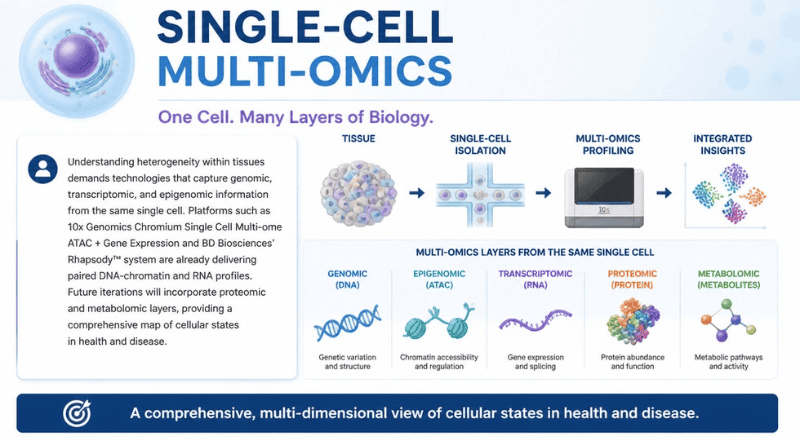
Understanding heterogeneity within tissues demands technologies that capture genomic, transcriptomic, and epigenomic information from the same single cell. Platforms such as 10x Genomics Chromium Single Cell Multi‑ome ATAC + Gene Expression and BD Biosciences’ Rhapsody™ system are already delivering paired DNA‑chromatin and RNA profiles. Future iterations will incorporate proteomic and metabolomic layers, providing a comprehensive map of cellular states in health and disease.
AI‑Driven Variant Interpretation
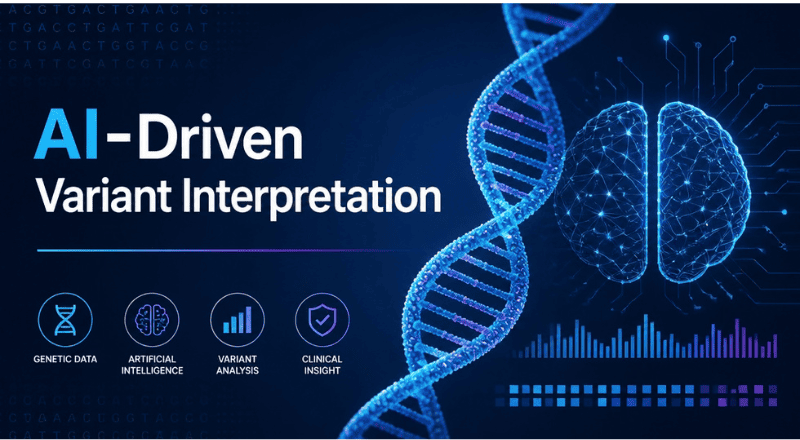
Artificial intelligence (AI) is poised to revolutionise how we interpret genetic variants. Deep learning models trained on massive functional genomics datasets (e.g., ENCODE, Roadmap Epigenomics) can predict the regulatory impact of non‑coding variants with unprecedented accuracy. Tools like DeepSEA, Basenji, and CADD are being integrated into clinical pipelines to prioritise variants that are most likely to be pathogenic, thereby reducing the burden of manual curation.
Portable and Point‑of‑Care Sequencing
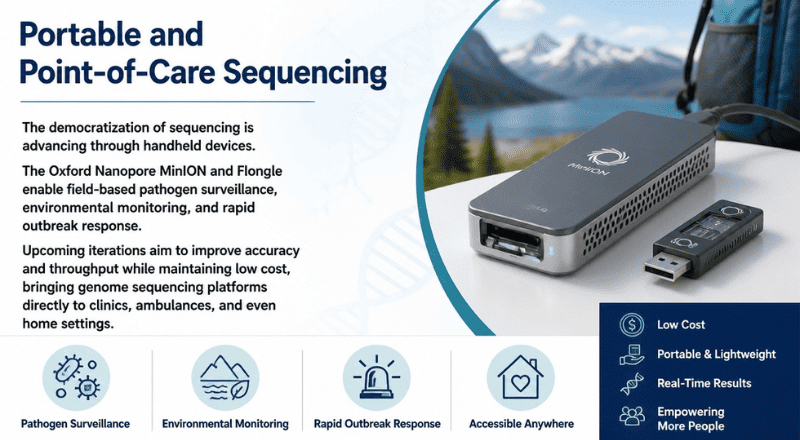
The democratisation of sequencing is advancing through handheld devices. The Oxford Nanopore MinION and Flongle already enable field‑based pathogen surveillance, environmental monitoring, and rapid outbreak response. Upcoming iterations aim to improve accuracy and throughput while maintaining low cost, bringing genome sequencing platforms directly to clinics, ambulances, and even home settings.
Synthetic Biology and Genome Writing
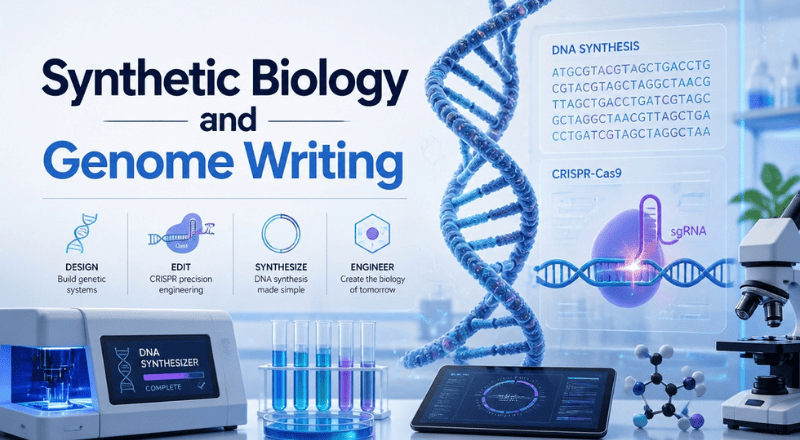
Beyond reading DNA, the next frontier involves writing and redesigning genomes. CRISPR‑based base and prime editors, coupled with high‑throughput DNA synthesis, allow precise rewriting of genetic code. When paired with advanced DNA mapping tools for verification, scientists can construct synthetic genomes, engineer novel metabolic pathways, and create bespoke cell therapies. This synergistic loop of read–edit–verify will expand the toolbox of biotechnology tools and open new avenues for treating genetic disorders.
Integrated Cloud‑Native Genomics Platforms
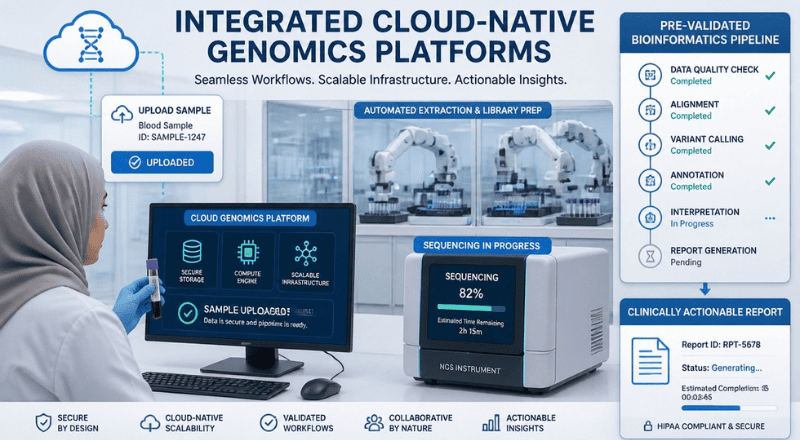
The future of genomics centres on cloud-native ecosystems. Imagine uploading a blood sample to a cloud service that automatically handles extraction, library preparation using robotic sequencers, sequencing, and pre-validated bioinformatics analysis to deliver a clinical report in hours. Driven by serverless computing, auto-scaling, and AI quality assurance, these platforms will make high-throughput genetic analysis accessible to any lab.
Conclusion
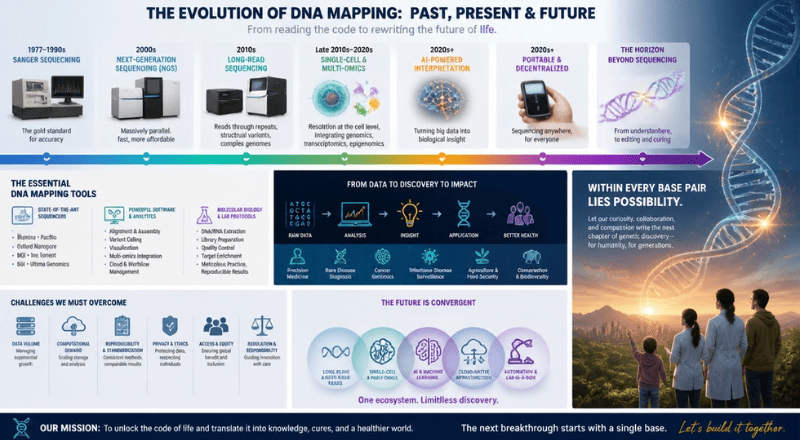
The story of DNA mapping tools is one of relentless innovation, where each technological leap expands our ability to read, understand, and ultimately edit the code of life. From the humble beginnings of Sanger sequencing to the awe‑inspiring promise of ultra‑long reads, AI‑powered interpretation, and portable sequencers, genomic sequencing has become a cornerstone of modern biological discovery and precision medicine research.
By embracing the essential DNA mapping tools—state‑of‑the‑art sequencers, robust software suites, and meticulous molecular biology protocols—researchers can navigate the complexities of GDA with confidence. Overcoming challenges related to data volume, computational demand, reproducibility, and ethics will require continued collaboration, standardisation, and forward‑thinking policies.
Looking ahead, combining long-read technologies, single-cell multi-omics, AI, and cloud-native systems will transform genetics into practical health advancements. Inspired by the potential in every base pair, our curiosity must propel the next genetic discoveries for future generations.

Elevate your lifestyle with our curated content on technology, sports, travel, health, and fashion. Stay ahead of the trends and make informed choices.