- Introduction
- Understanding the Importance of Planning
- Defining Travel Goals and Setting a Budget – Travel guide
- Researching Destinations Thoroughly
- Crafting an Itinerary That Balances Structure and Flexibility
- Booking Transportation Efficiently—Guide
- Securing the Right Accommodation: A Guide
- Packing Smartly and Efficiently – Guide
- Prioritizing Health, Safety, and Insurance – Guide
- Embracing Cultural Etiquette and Local Customs
- Maximizing Experiences and Finding Off-the-Beaten-Path Gems
- Conclusion
- Additional Notes
Introduction
Travel guide – Effective travel planning transforms a simple trip into a seamless experience filled with discovery, relaxation, and lasting memories. Whether a seasoned globetrotter or a first-time vacationer, following a structured itinerary ensures every aspect—from budget to cultural immersion—is addressed. This travel guide outlines ten essential steps to plan an unforgettable journey. Each section offers actionable advice and expert insights, equipping readers with the tools they need to craft a personalised, stress-free adventure.
Understanding the Importance of Planning
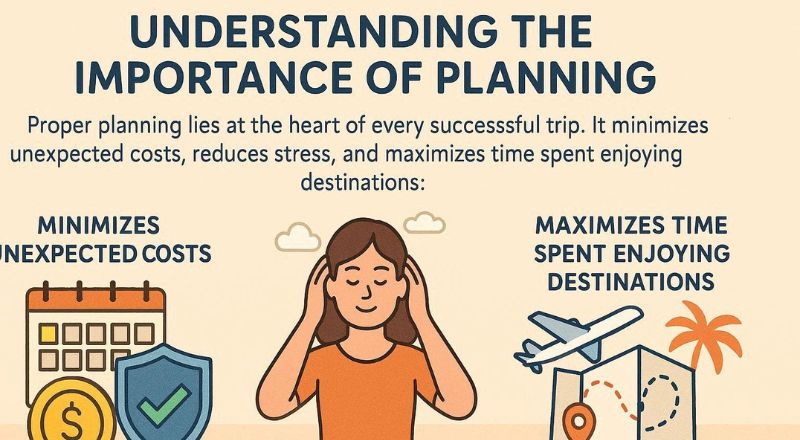
Proper planning lies at the heart of every successful trip. It minimises unexpected costs, reduces stress, and maximizes time spent enjoying destinations.
Minimising surprises: A well-researched plan accounts for potential delays, peak seasons, and local regulations.
Controlling costs: Advance bookings often unlock early-bird deals on flights, accommodation, and tours.
Maximising time: Structured itineraries help allocate days efficiently, preventing wasted hours and last-minute scrambling.
Peace of mind: Knowing reservations, travel documents, and contingency plans are in place lets travellers focus on experiences rather than logistics.
Defining Travel Goals and Setting a Budget – Travel guide
Any robust travel guide begins with clear objectives and financial parameters:
Identifying trip purpose: Is the journey driven by relaxation, adventure, cultural immersion, or family bonding? Distinct goals shape the ideal destination and activities.
Determining trip duration: Weekend getaways, two-week explorations, and extended sabbaticals each demand unique planning horizons.
Establishing a budget framework: Break down expected expenses into categories—transport, lodging, meals, activities, and incidentals.
Incorporating a contingency fund: Allocate at least 10–15% of the total budget for unforeseen costs such as medical emergencies or sudden itinerary changes.
Researching Destinations Thoroughly
Informed decisions begin with in-depth destination research:
Climate and peak seasons: Understanding local weather patterns and high-traffic periods allows for cost savings and optimal sightseeing conditions.
Entry requirements: Visa regulations, vaccination mandates, and passport validity rules differ by country, making early verification crucial.
Local customs and festivals: Aligning travel dates with cultural events can enhance the experience but may also drive up prices and crowd levels.
Currency and cost of living: Comparing exchange rates and daily expense averages helps refine the budget and suggests appropriate spending limits.
Crafting an Itinerary That Balances Structure and Flexibility
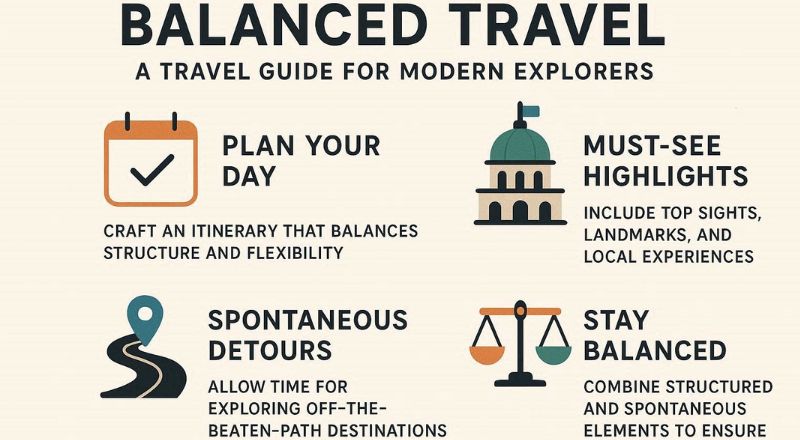
A travel guide for modern explorers emphasises balance—combining must-see highlights with spontaneous detours:
Prioritising key attractions: Allocate time slots for renowned landmarks or bucket-list experiences.
Buffer days and open windows: Designing slack days in the itinerary allows for rest, unplanned revelations, or unexpected delays.
Geographic grouping: Plan activities in clusters to minimise transit times, such as exploring city districts before venturing into surrounding regions.
Scheduling downtime: Factor in relaxation periods to prevent fatigue and enjoy leisurely moments in cafés, parks, or beaches.
Booking Transportation Efficiently—Guide
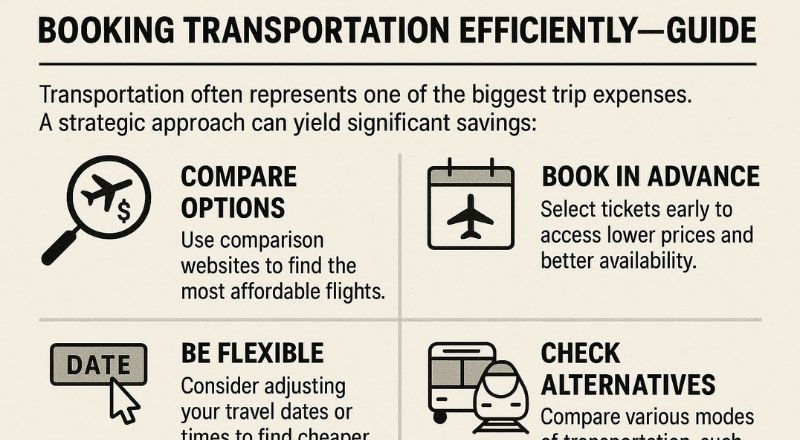
Transportation often represents one of the biggest trip expenses. A strategic approach can yield significant savings:
Comparing carriers and routes: Use flight aggregator tools to contrast airlines, departure times, and layover durations.
Exploring alternative hubs: Consider nearby airports or overland routes (train, bus, ferry) that may be cheaper or more scenic.
Early bird versus last minute: Weigh the benefits of booking months in advance against snapping up last-minute deals. which sometimes emerge from unsold inventory.
Advance seat selection and baggage decisions: Factoring in luggage requirements and seat preferences avoids additional fees at check-in.
Securing the Right Accommodation: A Guide

Lodging choices shape the tone of every travel experience:
Hotel versus vacation rental: Hotels offer routine services, while rentals deliver home-like amenities. Researching amenities, neighbourhood safety, and cancellation policies is vital.
Boutique lodgings and hostels: Budget travellers may benefit from shared dorms and social atmospheres, whereas boutique guesthouses often provide local flair at moderate rates.
Loyalty programmes and promotions: Frequent-traveller points, credit-card partnerships, and seasonal discounts can drastically reduce lodging costs.
Reviews and local insights: Reading traveller feedback and consulting online forums ensures accommodation matches expectations for cleanliness, location, and service.
Packing Smartly and Efficiently – Guide

Packing the right items—neither too much nor too little—sets the tone for a smooth journey:
Capsule wardrobe: Select versatile clothing that layers easily and transitions between day and night activities.
Essential documents and copies: Carry digital and physical copies of passports, itineraries, insurance certificates, and emergency contacts.
Tech gear and adapters: Identify plug types for each country and pack universal adapters, power banks, and necessary cables.
Medical kit and health items: Include prescription medications, a first-aid kit, insect repellent, and any country-specific prophylactics (e.g., malaria medication).
Prioritizing Health, Safety, and Insurance – Guide

A comprehensive travel guide emphasises the well-being of every traveller:
Travel insurance selection: Compare policies for coverage of medical emergencies, trip cancellation, and lost or stolen belongings.
Vaccinations and health advisories: Refer to official government and global health organisations for recommended inoculations and outbreak alerts.
Local laws and emergency numbers: Familiarise yourself with contact details for police, medical services, and your embassy or consulate.
Personal safety measures: Practise situational awareness, secure valuables in anti-theft gear, and share daily plans with family or a travel buddy.
Embracing Cultural Etiquette and Local Customs

Respecting local traditions fosters meaningful connections and smoother interactions:
Language basics: Learning common greetings, polite phrases, and numbers aids communication and demonstrates respect.
Dress codes and behavioural norms: Research attire expectations for religious sites, public spaces, and formal events.
Tipping practices: Understand local gratuity standards to avoid under- or over-tipping service providers.
Sustainable interactions: Support fair-trade businesses, avoid exploitative wildlife experiences, and engage with community-led tours.
Maximizing Experiences and Finding Off-the-Beaten-Path Gems
A final step in the travel planning process focuses on authenticity and lasting memories:
Local guides and walking tours: Small-group or private tours with local guides often uncover hidden spots and share untold stories.
Food adventures: Explore beyond the tourist spots to discover local markets, street food stalls, and cosy family-run restaurants.
For a fun and creative day trip, check out nearby villages, wander through nature reserves, or visit artisan workshops for an enjoyable half- or full-day adventure.
Capturing and reflecting: Encourage maintaining a travel journal or digital scrapbook to preserve anecdotes and photographs.
Conclusion
This comprehensive travel guide outlines a structured approach to planning any journey, from initial goal setting to embracing local culture. By combining thorough research, budget management, flexible itineraries, and safety measures, travellers set the stage for enriching, hassle-free adventures. Proper preparation not only saves money and time but also unlocks deeper, more rewarding travel experiences. Whether exploring well-worn paths or forging new ones, the principles outlined here empower readers to craft trips that resonate long after they return home.
Additional Notes
Incorporate travel-planning apps: Encourage readers to leverage mobile tools for booking, language translation, and itinerary management.
Emphasise sustainable travel practices: suggest eco-friendly transportation options, waste reduction strategies, and supporting local economies for mindful exploration.

Elevate your lifestyle with our curated content on technology, sports, travel, health, and fashion. Stay ahead of the trends and make informed choices.