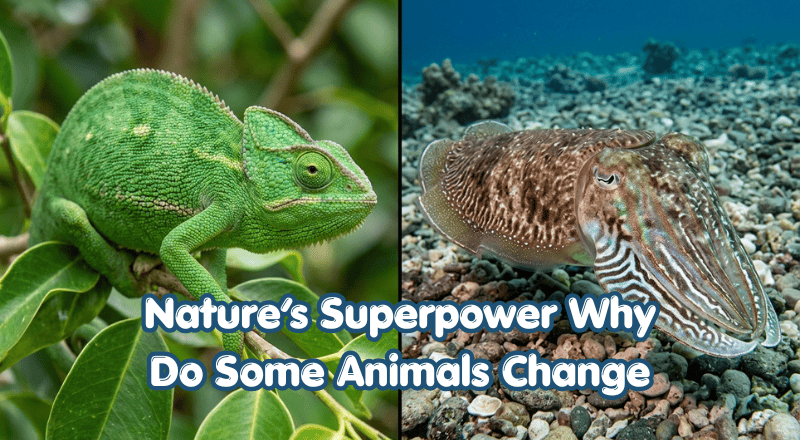
Nature’s Superpower: Why Do Some Animals Change Colour?
Have you ever played a game of hide-and-seek and wished you had a magical invisibility cloak? While humans have to rely on cardboard boxes or hiding behind curtains, some incredible animals have a real-life superpower: they can change their colour!
From the deep blue ocean to the highest tree branches, nature is full of colour-shifting wonders. But how do they do it, and more importantly, why do they do it? In this guide, we are going to dive into the colourful world of animal transformation to find out how these creatures use their skin like a high-tech survival suit.
The Science of Style: How Do Animals Change Colour?
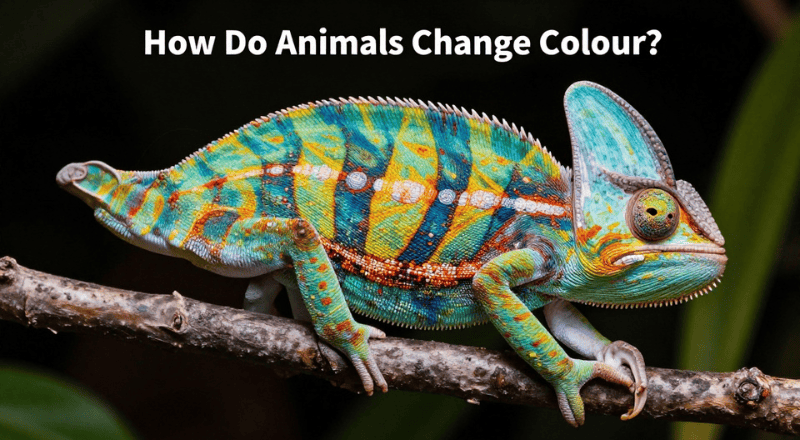
Before we talk about why animals change colour, we need to understand the “magic” behind the transformation. It isn’t actually magic—it’s biology!
Most animals that change colour have special cells in their skin called ‘chromatophores’. Think of these cells like tiny balloons filled with different coloured ink.
Expanding and Contracting: When the animal’s brain sends a signal, these “balloons” can stretch out (making the colour look very bright and bold) or shrink down into tiny dots (making the colour disappear).
Layering Colours: Just like mixing paint, animals have different layers of these cells. By mixing yellow, red, and brown, they can create almost any colour of the rainbow.
Iridophores: Some animals, like the famous chameleon, also have cells called iridophores. These contain tiny crystals that reflect light. By adjusting the spacing between these crystals, the animal can reflect different colours, such as bright blues or shimmering greens.
Now that we know how it happens, let’s explore the four main reasons why animals use this incredible ability.
-
The Ultimate Hide-and-Seek (Camouflage)
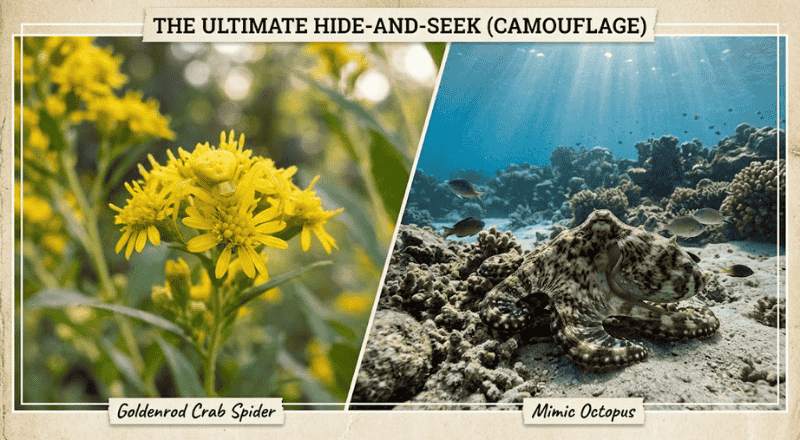
The most common reason animals change colour is to stay safe. In the wild, being visible can pose a danger. If you are a small animal, you don’t want a predator to find you. If you are a predator, you don’t want your dinner to see you coming!
Avoiding Predators
Imagine being a tiny goldenrod crab spider. You love sitting on bright yellow flowers, but a hungry bird might see you from the sky. To stay safe, these spiders can slowly turn from white to yellow to match the flower they are sitting on. By blending in, they become “invisible” to the birds.
Sneaky Hunting
Some hunters, on the other hand, use colour changes to surprise their prey. The mimic octopus is the king of this. It can change its colour and even its shape to look like a poisonous sea snake or a flatfish. This allows it to swim right up to its lunch without anyone suspecting a thing!
-
Talking Without Speaking (Communication)
Did you know that some animals use colour change to talk to their friends? It’s true! While humans use words, many animals use their skin to express how they are feeling.
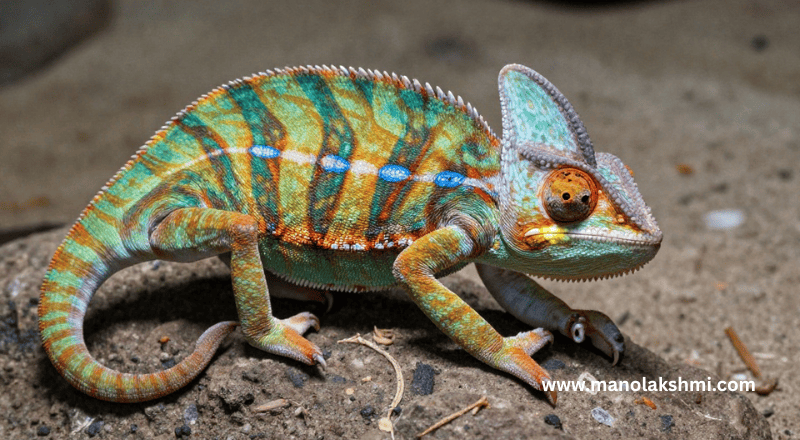
Mood Rings of the Wild
We often think chameleons change colour to hide, but scientists have discovered that they mostly change colour to show their emotions.
Anger: If a male chameleon is feeling grumpy or wants to protect his territory, he might turn bright orange or red to look tough.
Love: When looking for a mate, chameleons might show off bright, beautiful patterns to get noticed.
Calm: When they are just hanging out and feeling relaxed, they usually stay a dull green or brown.
Warning Signs
In the ocean, the blue-ringed octopus stays a sandy brown colour most of the time to blend in with the rocks. However, if it feels threatened or scared, it will suddenly flash bright, glowing blue rings all over its body. This is a “stop sign” for other animals, warning them, “Watch out! I may be tiny, but I am very poisonous!”
-
Dressing for the Weather (Temperature Control)
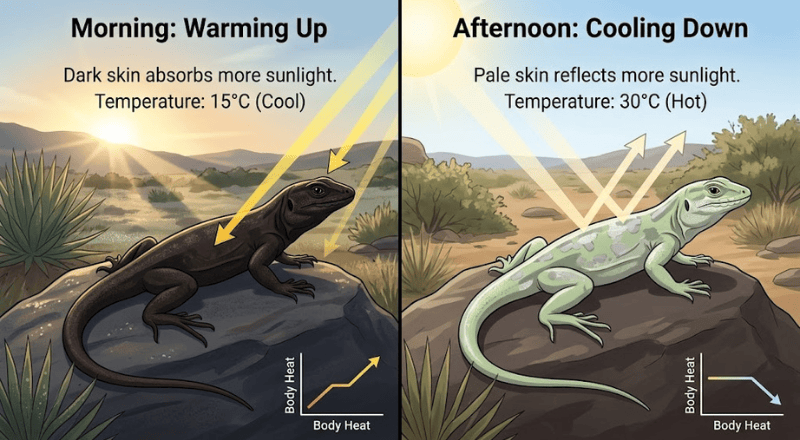
Have you ever put on a black T-shirt during a hot, bright day? If you have, you probably felt much hotter than your friends in white shirts. This is because dark colours absorb more heat from the sun.
Animals are very smart about this. Colour-changing animals are ectotherms and cannot regulate their body temperature internally as humans do. They have to use the sun.
Warming Up: On a chilly morning, a lizard might turn its skin very dark. This helps its body soak up as much sunlight as possible so it can move faster.
Cooling Down: If it gets too hot in the afternoon sun, that same lizard might turn a pale grey or light green. This reflects the sunlight away from its body, helping it stay cool and comfortable.
-
Seasonal Style (Changing with the Seasons)
Some animals don’t change colour in a few seconds, like an octopus. Instead, they change their “outfit” only a few times a year. This is called ‘seasonal moulting’.
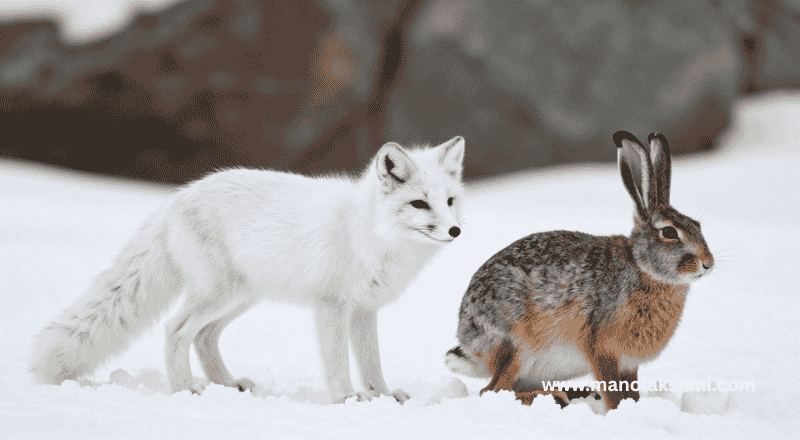
The Arctic Fox
The arctic fox is a master of seasonal fashion.
In winter, the Arctic is blanketed in a layer of pure white snow. The fox grows a thick, fluffy white coat to blend in seamlessly with the snow and ice.
In the summer, when the snow melts, the ground becomes brown and rocky. The white fox would stand out like a sore thumb. To stay camouflaged, the fox trades its white fur for a fresh coat of brown or grey.
The Snowshoe Hare
Similar to the fox, the snowshoe hare changes its fur colour from brown to white as the seasons change. It even has “snowshoes”—large, furry feet that help it run on top of the snow without sinking.
Top 5 Most Amazing Color-Changing Animals
If you want to see the best “quick-change artists” in the world, keep an eye out for these five amazing creatures:
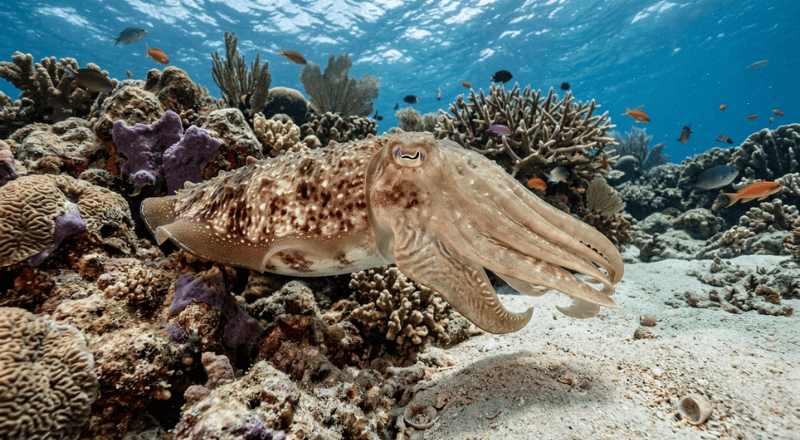
The Cuttlefish: Known as the “chameleon of the sea“, the cuttlefish can change its colour and the texture of its skin in less than a second. It can look like a bumpy rock or a flat sandy floor instantly.
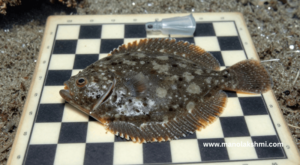
The Flounder: This flatfish lives on the ocean floor. If you put a flounder on a chequerboard (scientists have actually tried this!), it will try its best to create a pattern of spots on its skin to match the squares.
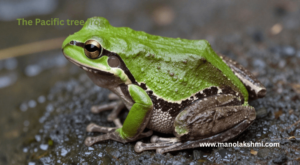 The Pacific tree frog: these little frogs can change from bright green to dark brown depending on how hot or humid it feels outside.
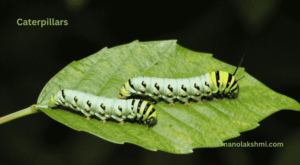
Caterpillars: Some caterpillars, like those of the swallowtail butterfly, change colour as they grow. They might start off looking like bird droppings (so nothing eats them!) and turn into bright green leaves as they get bigger.
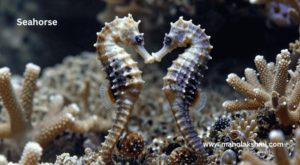 The Seahorse: Seahorses often change colour during “dances” with their partners or to blend in with the coral reefs where they live.
Fun Facts About Animal Colors
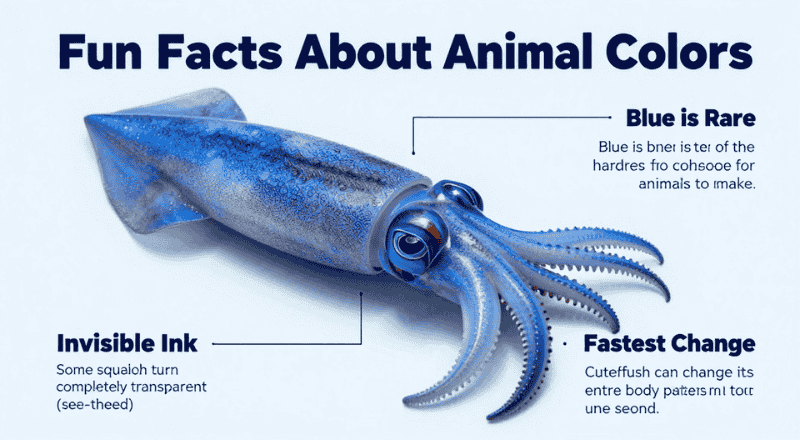
Blue is Rare: Blue is one of the hardest colours for animals to make. Most animals that appear blue aren’t truly blue—they have unique skin structures that play tricks with light!
Invisible Ink: Some squids can turn completely transparent (see-through) so that predators look right through them.
Fastest Change: A cuttlefish can change its entire body pattern in less than one second. That’s faster than you can blink!
Conclusion: Why Does It Matter?
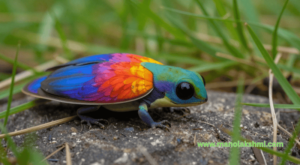
Animals change colour for one simple reason: survival. Whether they are trying to stay warm, talk to a friend, hide from a predator, or catch a tasty snack, their ability to change colour is a vital tool that helps them live in a world full of challenges.
Next time you are outside, take a close look at the grass, the trees, or even the rocks. You might just find a creature hiding in plain sight, using its incredible colour-changing superpower!
Click here: Petrichor: Why does rain smell? The Science Behind Petrichor
Frequently Asked Questions (FAQ)
Can humans change colour?
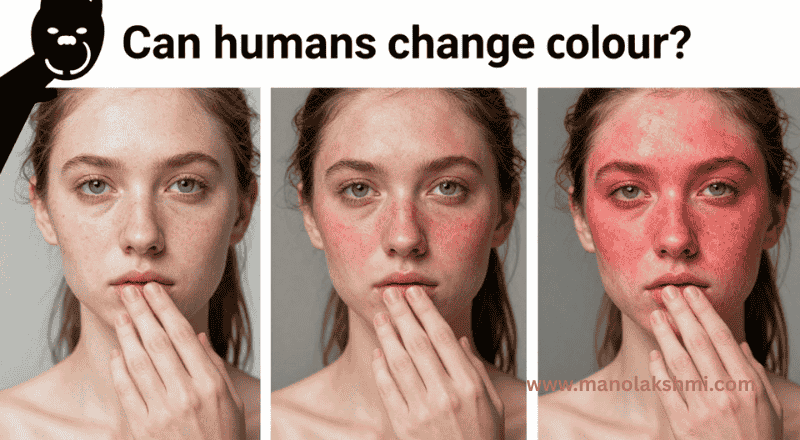
Not like animals! While we might get a “sunburn” or turn red when we are embarrassed (blushing), we don’t have chromatophores that allow us to change our skin to match our surroundings.
Do chameleons change colour to match anything they touch?
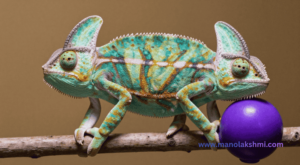 Not exactly. Chameleons have a specific range of colours they can turn. A green chameleon can’t turn bright purple just because it touched a purple toy. Their colours are mostly determined by their mood and the temperature.
Is colour-changing painful for animals?
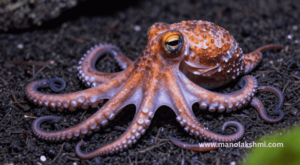
Nope! For animals like octopuses or lizards, changing colour is a natural reflex, just like breathing or blinking is for us.
What is the smartest colour-changing animal?
Many scientists believe the octopus is the smartest. Not only can they change colour, but they are also famous for solving puzzles and even escaping from jars!
Love learning about animals? Check out our other blog posts for more amazing nature facts and science fun!

Elevate your lifestyle with our curated content on technology, sports, travel, health, and fashion. Stay ahead of the trends and make informed choices.